
Form without Function
Bronze Age comics, feral childhood & when the same names stop meaning the same thing

One pleasure of writing as a hobbyist is topic freedom. But what low-status types miss is that this isn’t getting to follow whims wherever. I’m high status socially and come from an honor culture, so self-indulgence is very limited. Having readers implies a quid pro quo that I’ll be consistent with theme types and style. Without all of you, there is no UJ’s Sub or Band. Seems fair to maintain the reason you came. So some authorial freedom, but with an oral history/ socialization twist.

Loetz, Cobalt Papillon glass vase with silver flowers, around 1900, Nicolas-Auguste Delions, gold and enamel snuff box, Paris, 1776, Fabergé silver-gilt and enamel cigarette case, workmaster August Hollming, St Petersburg, 1899-1904
There are a ton of personal interests that would be enjoyable to write about. Lifting, mystical theology, comic collecting, Romantic painting, MMA, stained glass, hair metal, aestheticism, woodworking, and so on.1 But these are all niche. And niche posts without external relevance aren’t popular enough for my end of the bargain.
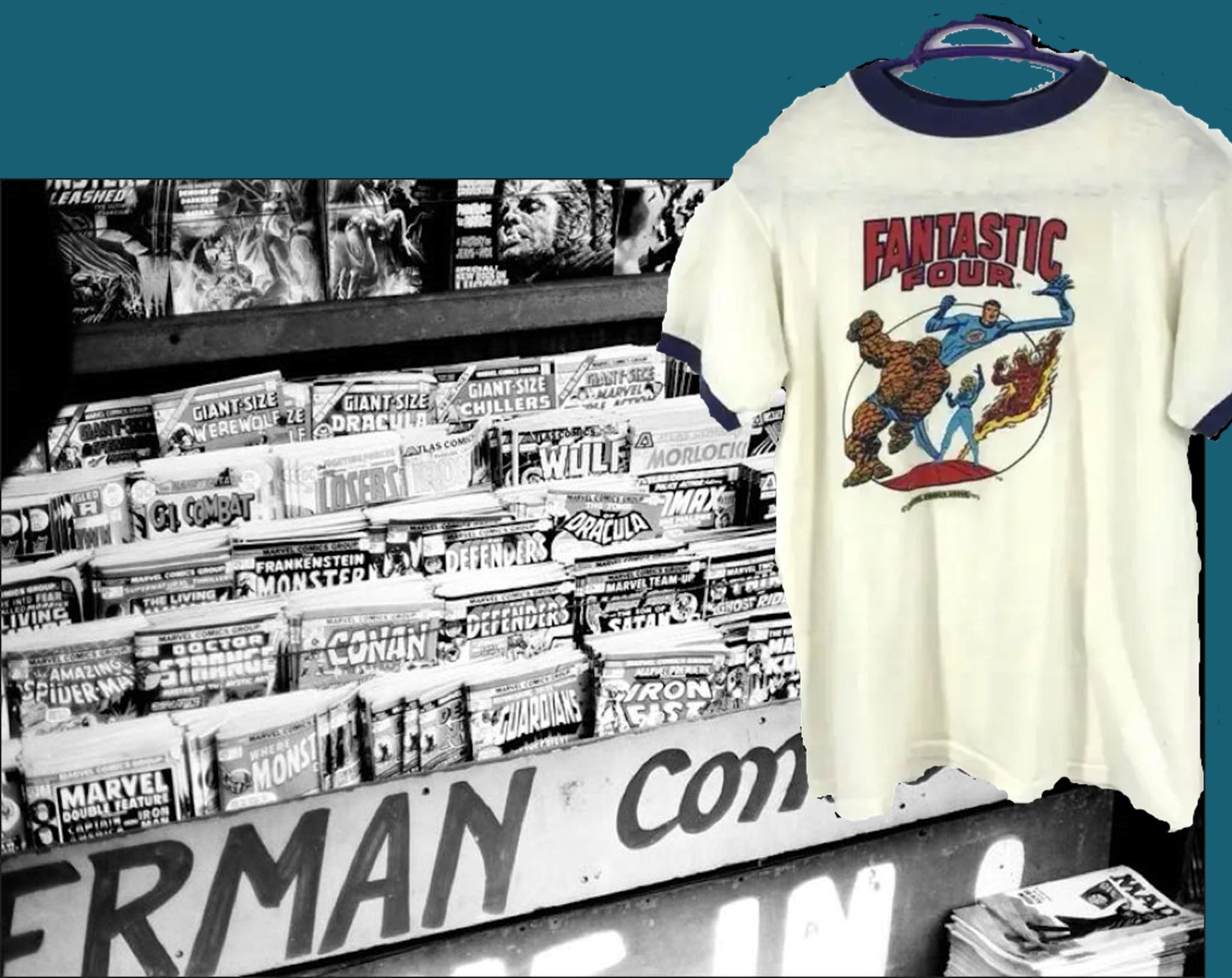
But they do make for good examples. Like the Bronze Age comic book. An object of intense fascination for a percentage of our NUC cohort that seems unbelievable today. And popular enough to be part of the cultural background noise for the rest. More importantly, it was a kid phenomenon. One that played an outsized role in my own development amid the booming at the dawn of Clown.

The applicable point here is a bait and switch we see all the time. That House of Lies trick of keeping a name or symbols of something while changing it to the point of inversion. Destroying something organic and using its carcass as a vector for more putrescence. The Band has explored this in cornerstones like art and science. But it happens on small scales too.
Comics aren’t a kid phenomenon now, despite looking similar.2 Small, floppy, pictorial stories for almost a century. Changes in size or materials are too minimal to alter the nature of the experience. Historians divide them into periods, as they do to organize long continuities. The Bronze Age was ours. Books published between ~1970-85, including that Dawn of Clown feral Gen X childhood. If interested, here are the ages, defined and summarized by Google AI. There’s some disagreement, but this is pretty mainstream narrative.
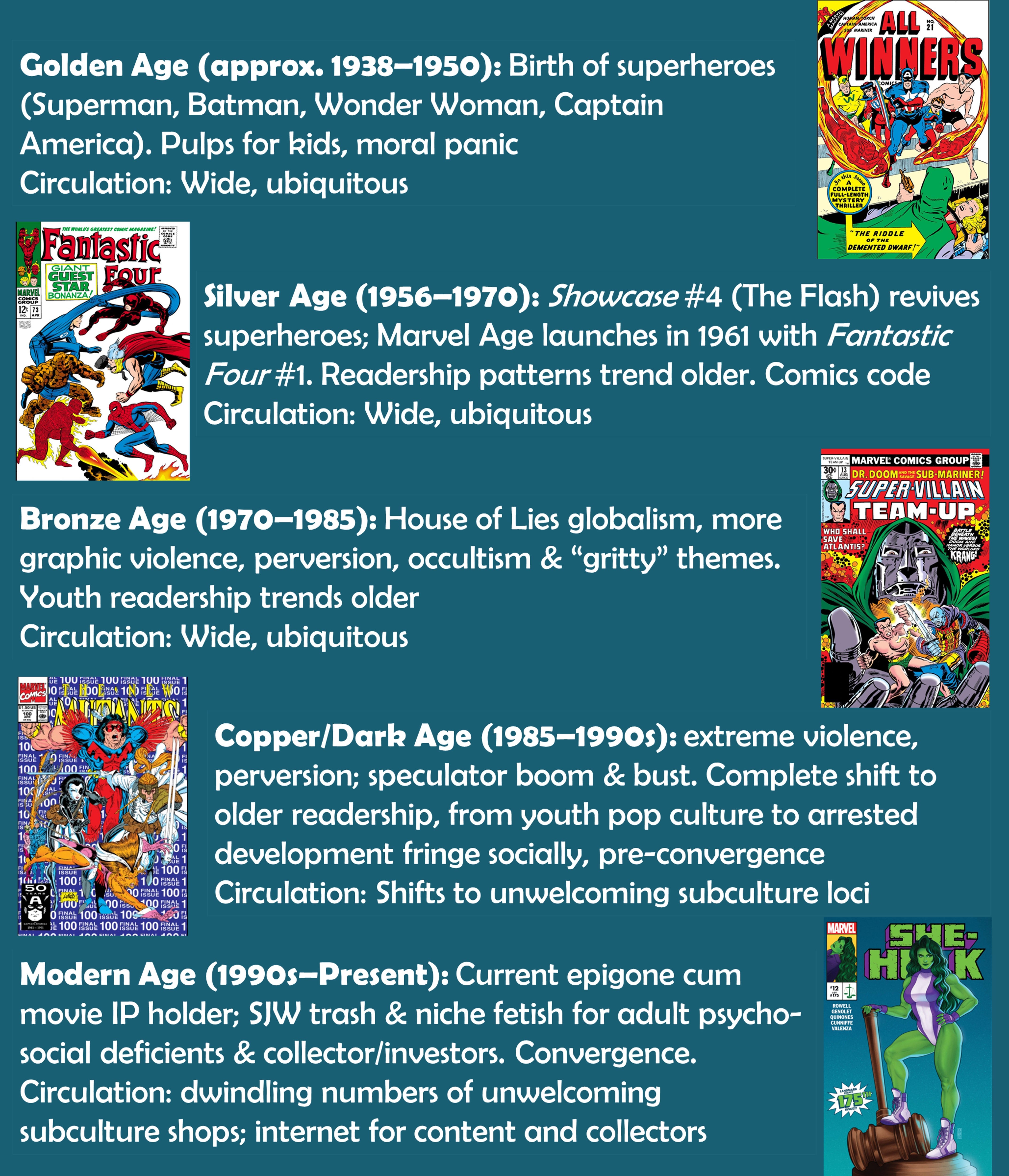
Syd Shores, cover art, All Winners Comics Vol. 1, 21, December, 1946; Jack Kirby and Joe Sinnott, cover art, Fantastic Four, Vol, 1, # 73 , April, 1968; Keith Giffen, cover art, Super-Villain Team-Up Vol 1, #13, August, 1977, Rob Liefeld, cover art, New Mutants Vol 1, #100, April, 1991; Elena Casagrande, cover art, She-Hulk Vol. 5, #12 (variant), April, 2023
Note the usual [end of creativity/time stop] with the modern garbage. But even that still assumes some sort of continuum. Garbage as the low-quality end of the genre. Slowed creativity as a phase of the genre. When the reality is they aren’t the same thing in any way other than the form.
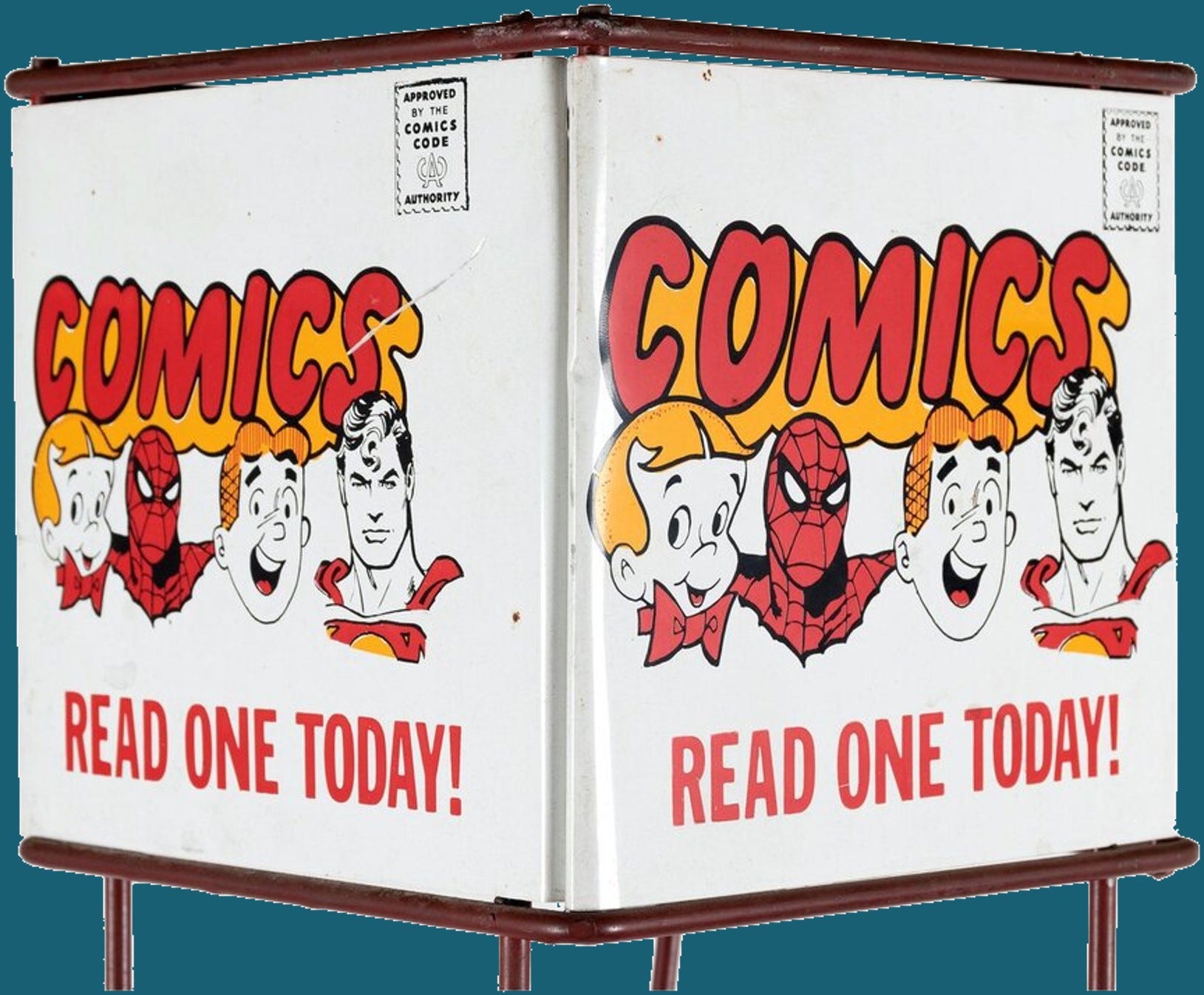
The big change is the place they occupied in popular culture. Two levels:
Whatever subversion was being piped through them to us
Their actual place in our organic feral socialization
Whatever subversion is simply acknowledging reality.
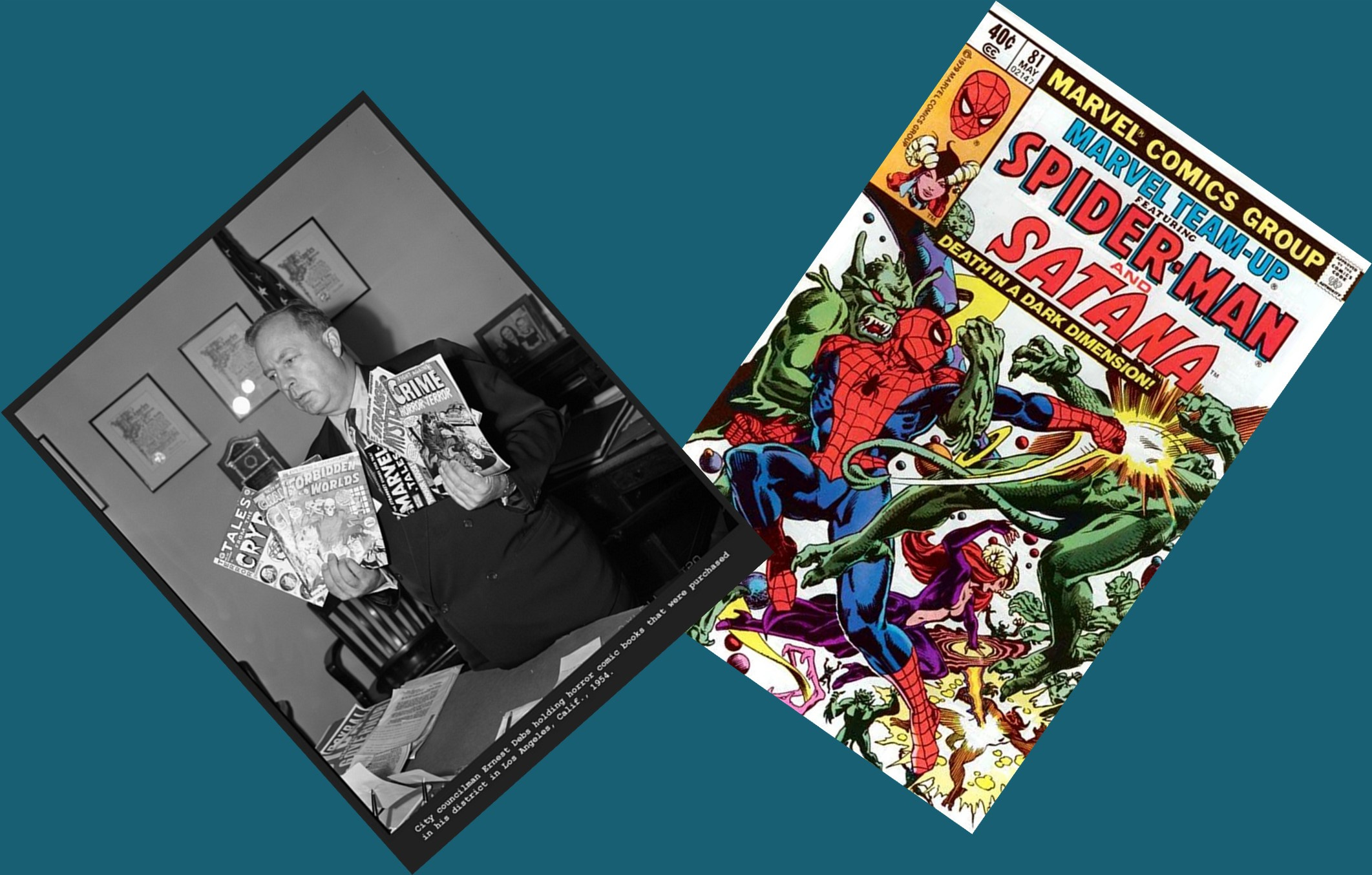
Councilman Ernest Debs calls attention to degeneracy in comics, 1954; Al Milgrom and Steve Leialoha, Marvel Team-Up, Vol. 1, #81, May, 1979
Boomer nostalgia-huffing is so obnoxious because of the vapidity. Obliviousness to the infantile socio-pathology of their entire cultural trajectory. Bronze Age comics were riddled with House of Lies subversion. The Band has posted extensively on that. But there was also the afterglow of the older era. Where superficial moral standards had been forced on the industry. Figures were heroic looking and attractive. Heroism was still pretty coherent if melodramatic. The current retard cesspool is visible in hindsight, but a boy could still get a basics in courage, loyalty, honor, and the like in a melodramatic form.
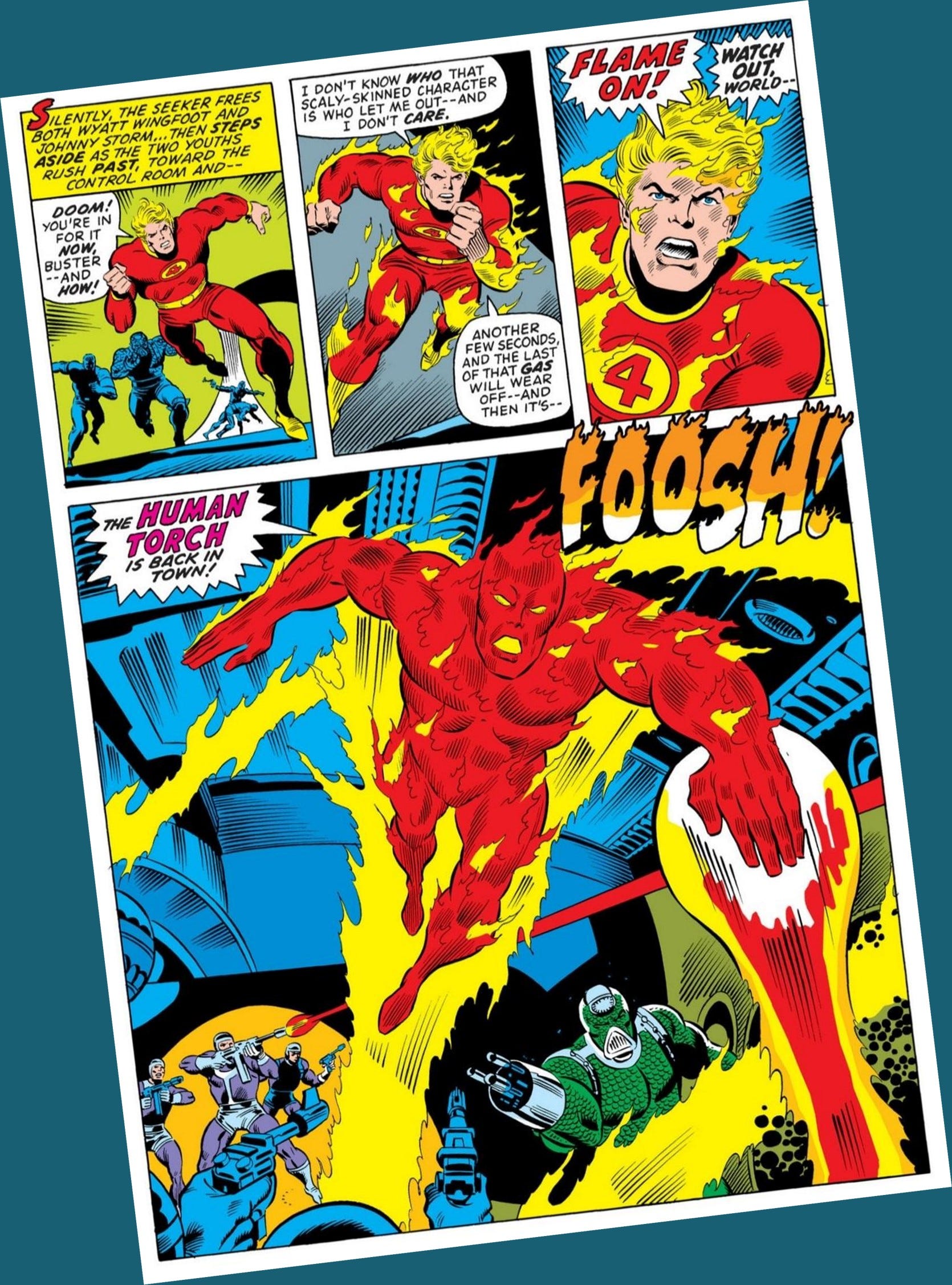
Rich Buckler, Joe Sinnott, Fantastic Four, Vol. 1, #144, March, 1974
The place in organic socialization was radically different from today. As different as feral childhood. In an analog era, it was hard copy or didn’t read. But availability was crazy. Adult collectors, conventions, and comic shops all appeared in the 70s, but the NUC didn’t get designated stores until the 80s. Terms like geek and nerd weren’t twee-cool either. They referred to a subclass of loser that was generally ignored. It was only when tech became a ticket to wealth and power that perceptions changed.
Comics were just everywhere. Newsstands, bookstores, convenience stores, drugstores, department stores, gas stations, etc. They turned up in barber shops, waiting rooms, libraries.
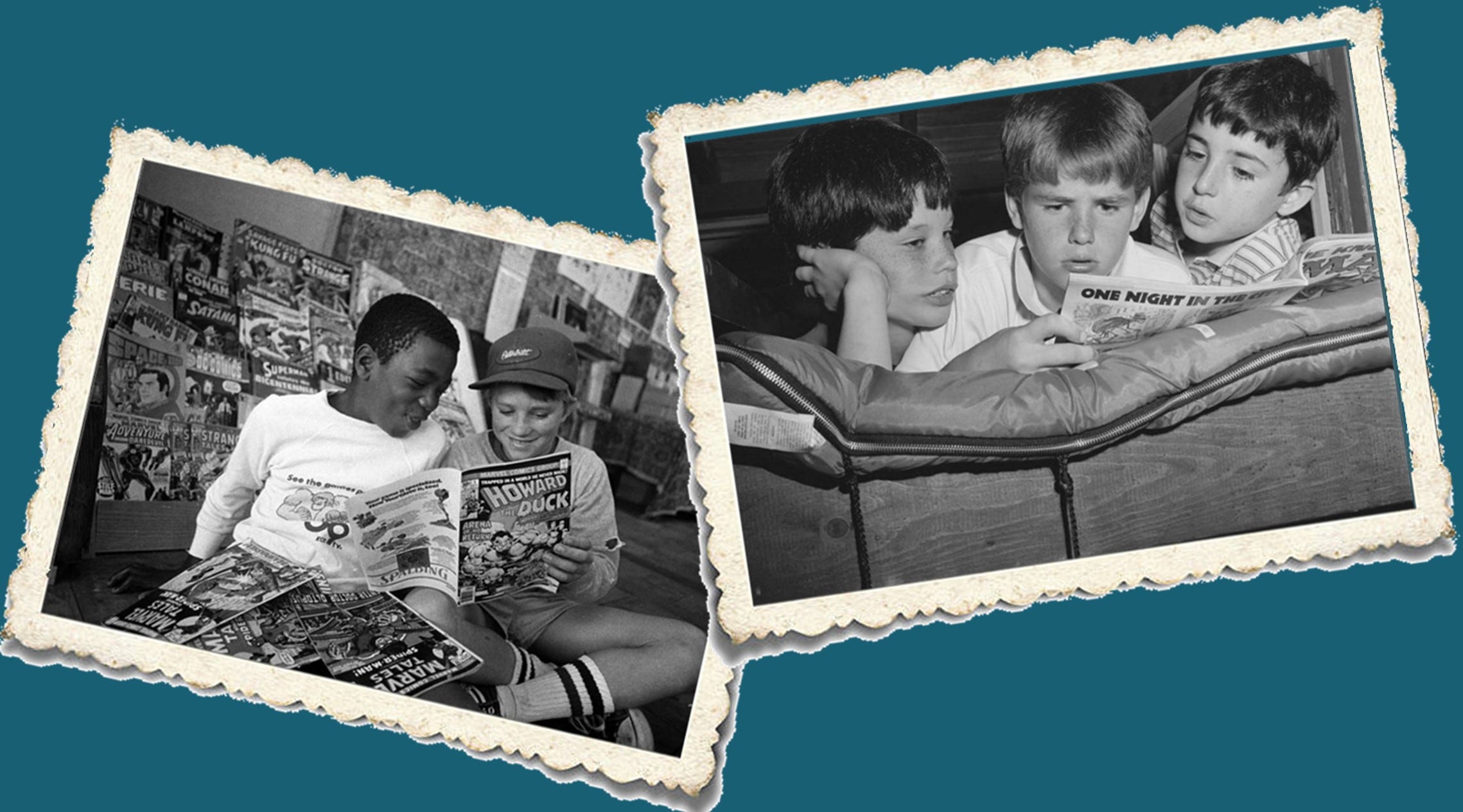
Kids enjoying Howard the Duck 1976, Reading Mad Magazine at summer camp, 1980s
Huge comparative circulations and widespread availability made comics ubiquitous. You could find stacks of them for next to nothing at yard sales, flea markets, thrift and used book stores, etc. They had no social status outside kid world and some weirdos and weren’t seen as valuable. The bottom end of the pulps, which were the bottom end of publishing. Adult family friends might give you a stack of their kids’ old ones. Feral childhood shared the stories among friends.
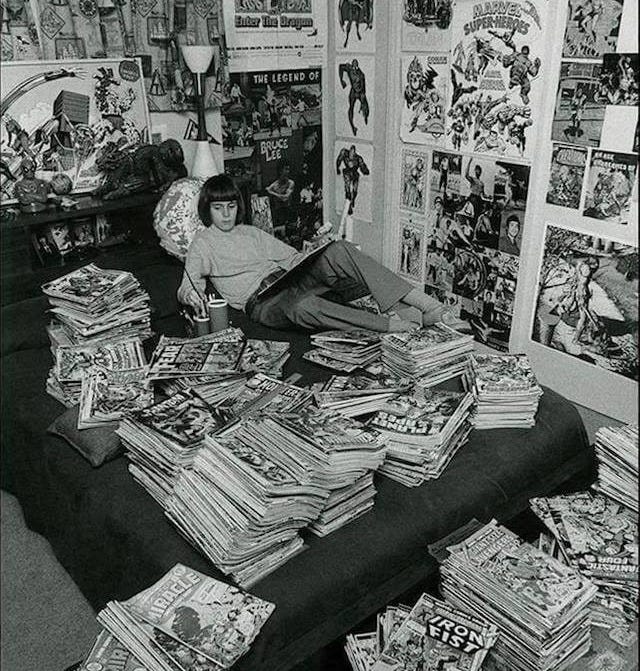
And it was possible to build a collection on a ten-year old’s resources.
As for the social status, comics occupied the bottom level of pulp publishing, and the pulps were the shallow end of publishing. A simple comparison between iconic creators in the two makes this obvious. Pulp prose legend Robert E. Howard retained the rights to his characters and enriched his family for generations. Comic legend Jack Kirby created Captain America, Fantastic Four, Black Panther, etc. for the standard page rate and had to fight for years just to get his art back.
Why this changed is sociological. More reasons than a post can cover. The immediate cause was replacing universal availability with speciality shops only. Also, the Marvel Age brought an uptick in readership that shifted the nature of the stories.
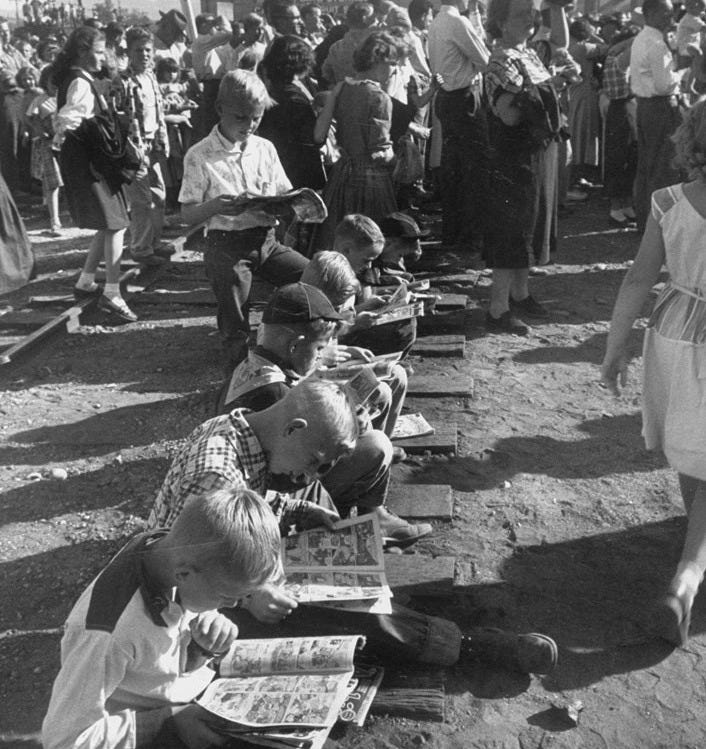
Dwight Eisenhower speech, Montana, 1952 (photo by Ralph Morse)
Golden and early Silver Age comics assumed a market that aged out and turned over every couple of years. Stories were nursery rhyme level simplistic and often repeated. Today’s nine year old can enjoy the same fable as one five years ago. Once outgrown, comics generally went to the trash with other childish diversions. Why mint Golden Age books are virtually non-existent.
The slow devolution from mainstream part of childhood to degenerate adult fetish followed. And devolution isn’t just rhetoric. What’s left does look like a mass of fixed harmful mutations than innocent arrested development.3 But as always, it took some time. And the Bronze Age was a wild place for kids in hindsight. [Full disclosure. I maintain a Silver-Bronze age collection. I also treat them like sports cards and use books for reading. But the results of my youthful efforts matured into something difficult to replace at today’s market prices.]
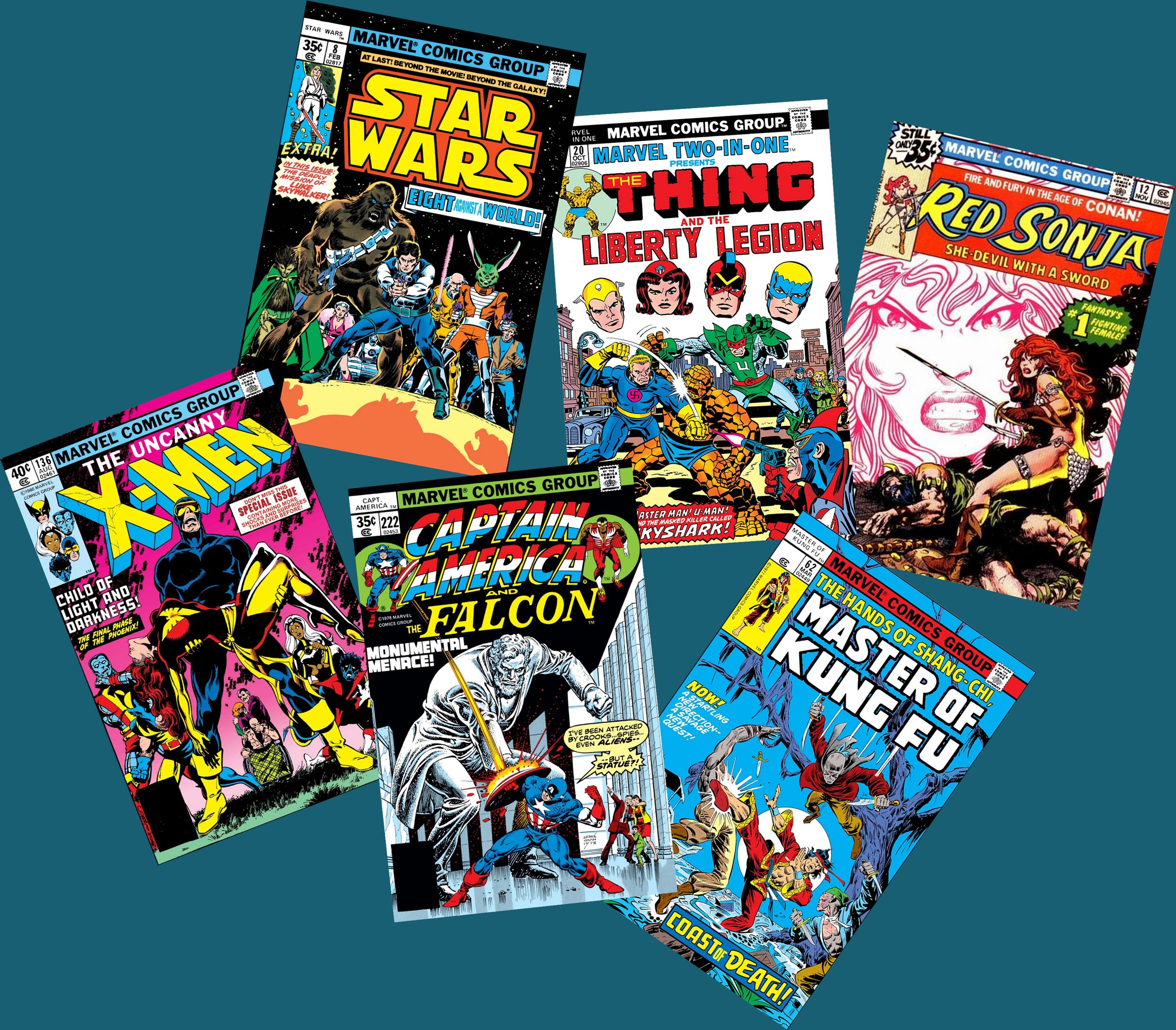
Cover art, clockwise from top left, Howard Chaykin, Star Wars #8, Feb., 1978; Jack Kirby, Marvel Two-In-One #20, Oct., 1976; John Buscema, Red Sonja, Vol. 1, #12, Nov., 1978; Jim Craig, Master of Kung Fu #62, March, 1978; Ernie Chan and Danny Crespi, Captain America Vol. 1, 222, June, 1978; John Byrne, Uncanny X-Men Vol. 1, 136, Aug., 1980
That’s the change behind the form. Different market and radically different position in the larger socio-culture. In almost every way. The guys that had built Marvel from the 40s were hustlers in a cutthroat, low-margin, fringe publishing business. DC’s legacy characters established them as the mainstream brand and sales champion. Upstarts like Timely/Atlas/Marvel founder Martin Goodman scrambled for what they could. And if it didn’t sell, you didn’t last. This is the critical part. Survival depended on that cycling youth market picking your titles off the racks and stands.
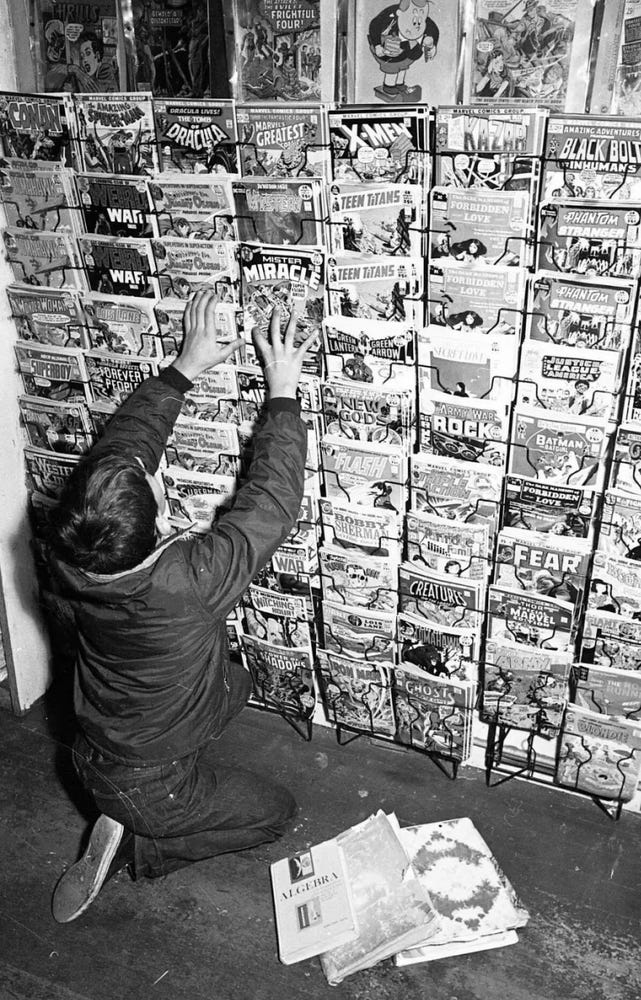
First major difference from today. Having to make a profit by selling in a crowed market. And the real killer is that vendors returned unsold copy for refund. Goodman ran a shoestring operation that put out whatever fad was popular. Superheroes, then war, romance, horror, action, etc. “Try-out” or showcase titles were endlessly trialing new ideas. Things sold fast or were canceled. Popularity begat imitation. And a stable character, one that clicked enough to become permanent, was gold.
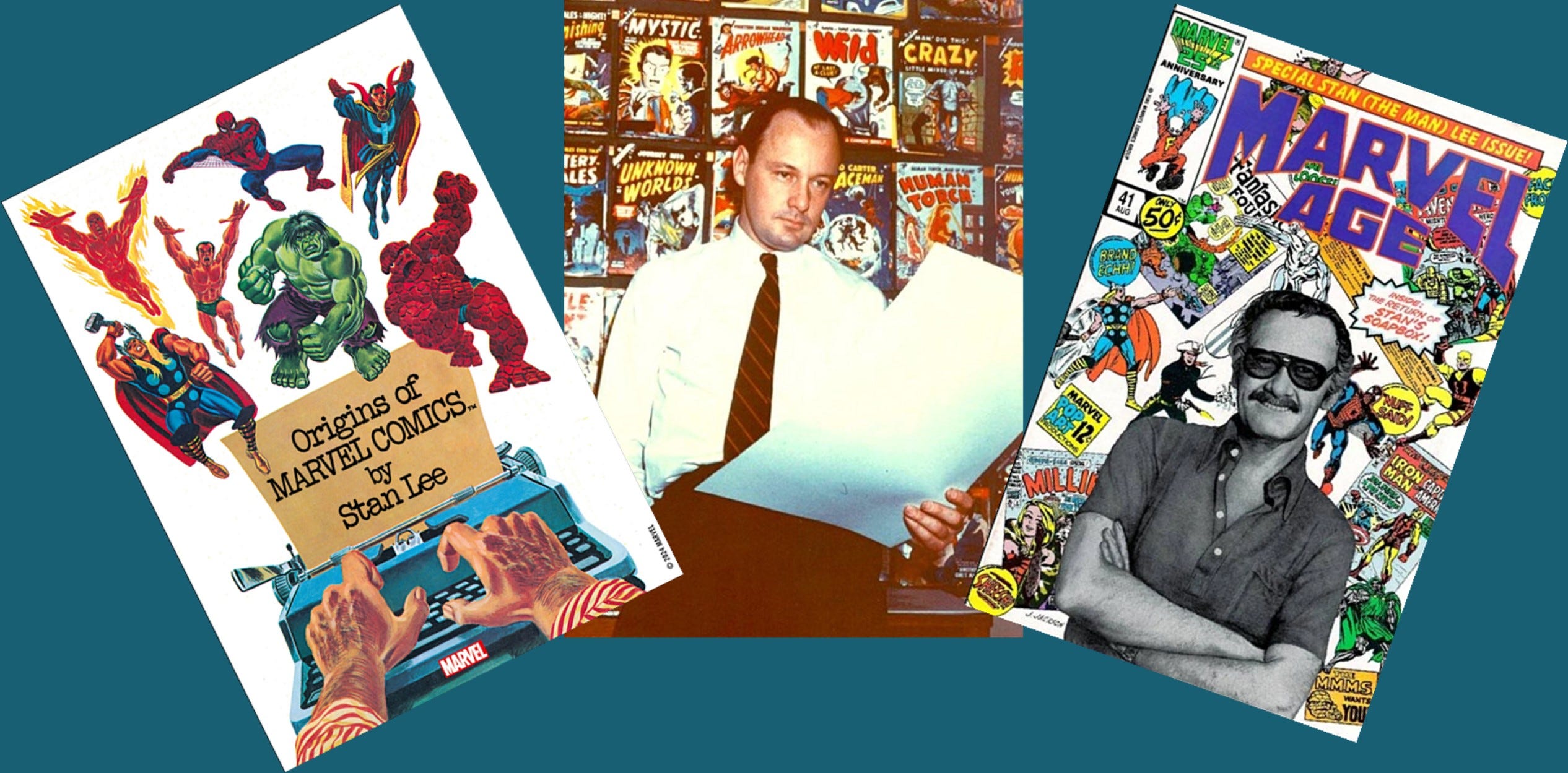
Stan Lee, Origins of Marvel Comics, Simon & Schuster, 1974; Stan Lee, 1954; Jack Kirby, Steve Ditko, and Janet Jackson, Marvel Age Vol 1, #41, August, 1986
The Bronze Age was the transition from the fantastical Marvel Age to the modern dreck. Marvel became the victim of its own success, but until it did, the shoestring shop was a legitimate creative phenomenon.
The Lee/Kirby debate misses the point. It’s not who created more. Kirby did, and it’s not close. But we’re talking cultural impact and commercial success, not an art show. It was the synergistic contributions that made the creative explosion happen. The “Marvel Method” had the artists create stories from the germ of a writer or editor’s idea. Then the writer added the text to the art. So Kirby or Ditko or whoever did most of the heavy lifting. But Stan added the voice.
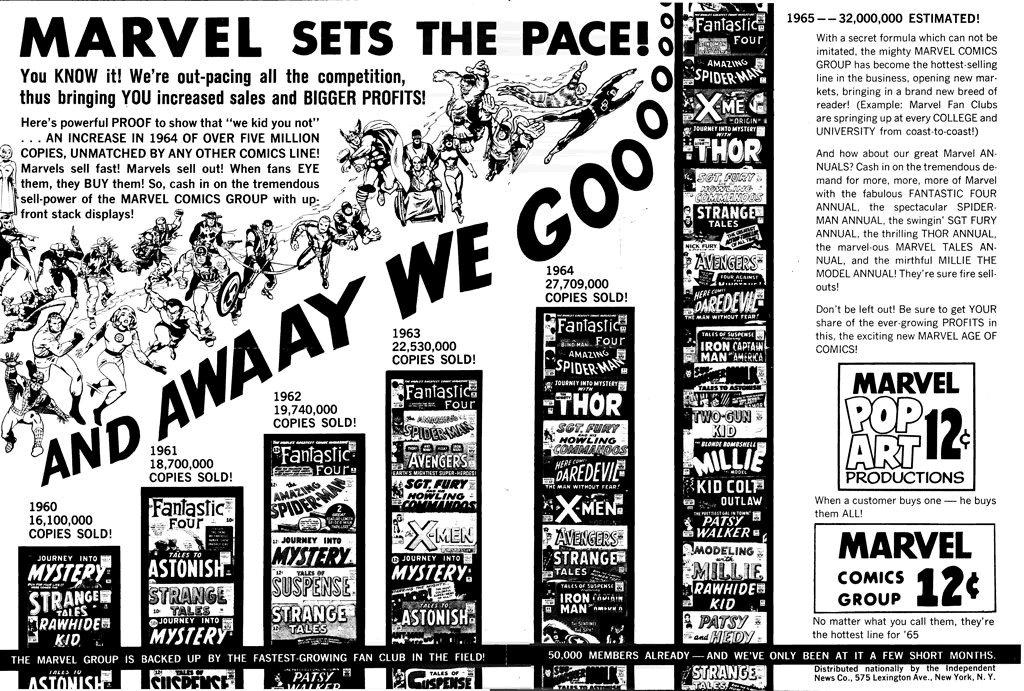
Ad from June 1965 issue of Newsdealer magazine
He was a self-promoter. That’s what that hustle needed. Working under Goodman, scripting whatever genre was in at the moment, taught Stan how to sell to a comic audience. He could seed idea kernels, then take the vision and make it marketable. He wasn’t a great writer and could be cringe. But to a kid, his characters were distinct and his melodramatics stirring. Obviously he couldn’t fly without those creators. But note their success levels without Lee’s veneer.
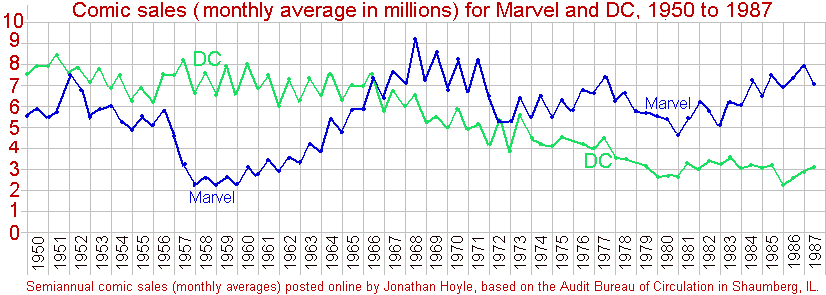
Once Lee moved upstairs, creation was taken over by Gamma boomer fanboys like Roy Thomas. Guys who grew up reading comics, not scrambling for dimes in a brutal marketplace. The Band has a pretty good picture of Lee’s core morality. But his ultimate god was success, and that meant building new fans. And a pure enough concept of never give up heroics to provide an alternative grounding to my young self. Replace that with obsessed loser wing fanboidom writing to each other.
It’s crazy in hindsight. I recall the excitement when Byrne took over the Fantastic Four. The destruction of the old heroism was sudden and deliberate. And the success was an early sign of deep change.
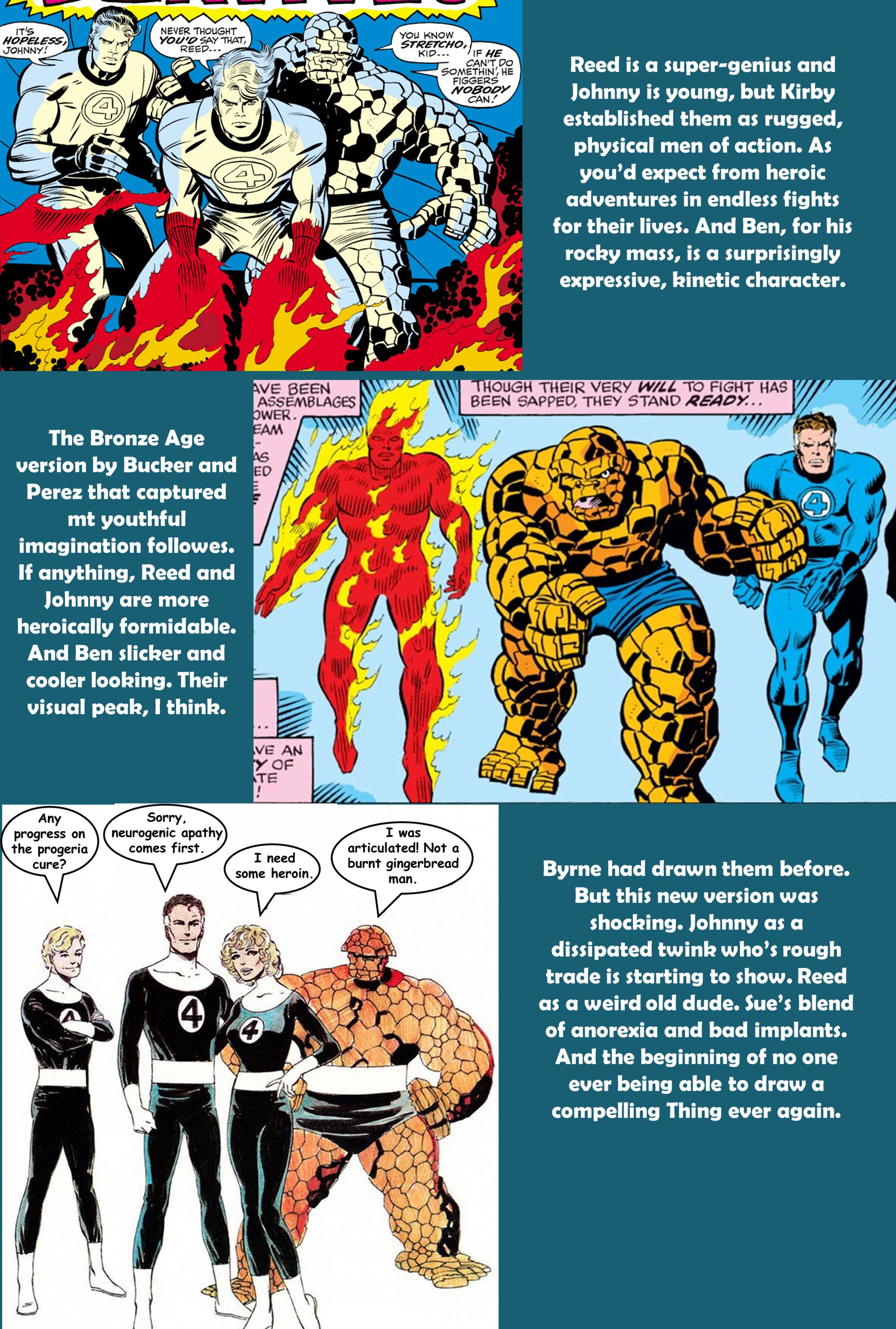
From Jack Kirby, Joe Sinnott, Fantastic Four, Vol. 1, #83, Feb., 1969; Rich Buckler, Fantastic Four, Vol. 1, #153, Dec., 1974; John Byrne’s Fantastic Four debate their new costumes on the cover of Comics Feature Magazine #27 (1983) remastered by The Marvel Project.
Generations of kids provide the new generations of creators. Until they don’t. As the fans got older, the heroes get less manly. Aspirational heroics for healthy youth → arrested development wish fulfillment. And a lot of less savory stuff.
It’s worse now because modern comics are disconnected from sales and profit margins. The paradox was that Marvel became successful enough long enough to have a cultural presence far beyond its economic one. Lowest level of pulp prestige → billion dollar Pedowood. This brought beast sugar daddies and eliminated the need for market appeal. Movies leveraged the cultural value to orders of magnitude more money. And the comics themselves swapped youth-oriented heroics for the kind of adult men sexually stimulated by cartoons…
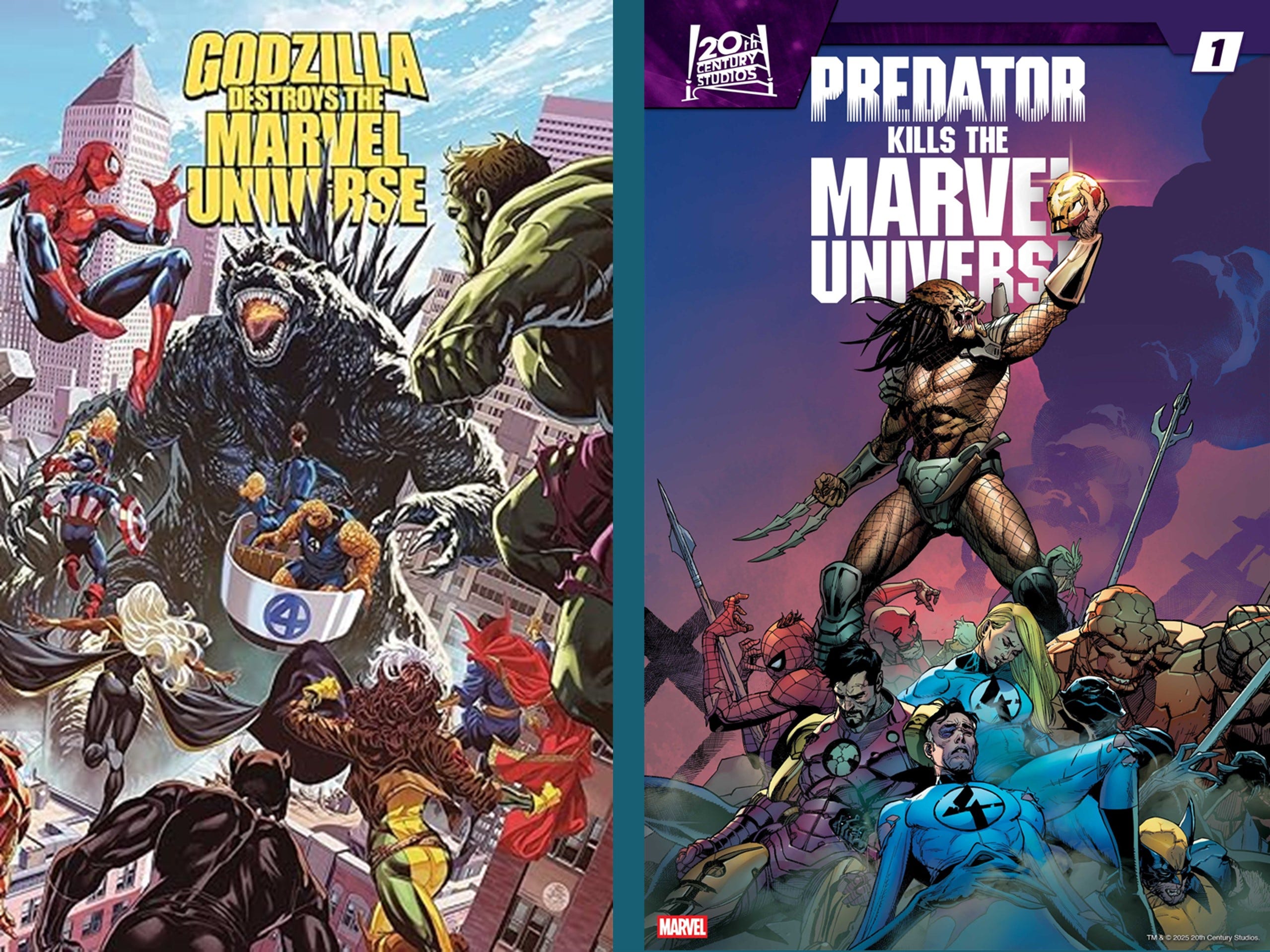
Inspiring.
What they can do is a decompressed 10-issue arc by a company that hates its own characters. While being unable to create anything of merit with them.
Thanos (or the Beyonders or Old Gods or Primordial Evil or Death or The Pocket Lint Dimension or whatever) kills hosts of characters while assembling the MacGuffin.
But this time he tears Iron Man’s head off first!) [Only noticed that was actually the image above before posting]Uses MacGuffin to conquer/destroy the multiverse while defeating all the cosmic entities. Complete with endless taunting during the butchery!
At no point do “heroes” or their actions change anything - they’re NPCs in a play-through. See Cap yell something about never giving up before his heart is punched out of his chest!
Everything abruptly reverts to the status quo because PIS (plot induced stupidity). He realized he had achieved everything and self-canceled from loss of drive…
Lots of orifices. Putting things in different orifices important is an endless mine of dramatic subplots. Best left to the imagination.
Now consider the adult who blows hundreds each month on this horse@#$%.
This Substack spends a lot of time on the relations between reality and representation. It’s a Trojan Horse in our existence since we need representation to interact, but it can be deceptive. And lies and truth come in similar forms. The House of Lies postures as if words are totally transparent. Cancelations and deplatformings are based on the falsehood that intentions are a priori certain and clear. But things continually change meanings while pretending to be the same.
Both cases are just making up reality as you go along. In my reality, you mean this. In my reality, this means that. They even work together. Since this now means that, you now meant this. It’s low-intelligence behavior, but that doesn’t stop anything.

Sort of how in my reality [fantastical pulp entertainment aimed at kids] means [whatever that slaughter/perv fest by and for damaged adults is]. But they aren’t the same thing. Like a biological fantasist using the same mathematical variable for different values, the connection is fake.
Why this matters. My interest in comics is something that leaks into my writing from time to time. Mostly as illustrations for idea. Beyond that, I don’t dwell on personal hobbies since they don’t appeal to most readers. But as a kid, they were escapism, entertainment, and moral centering all at once.
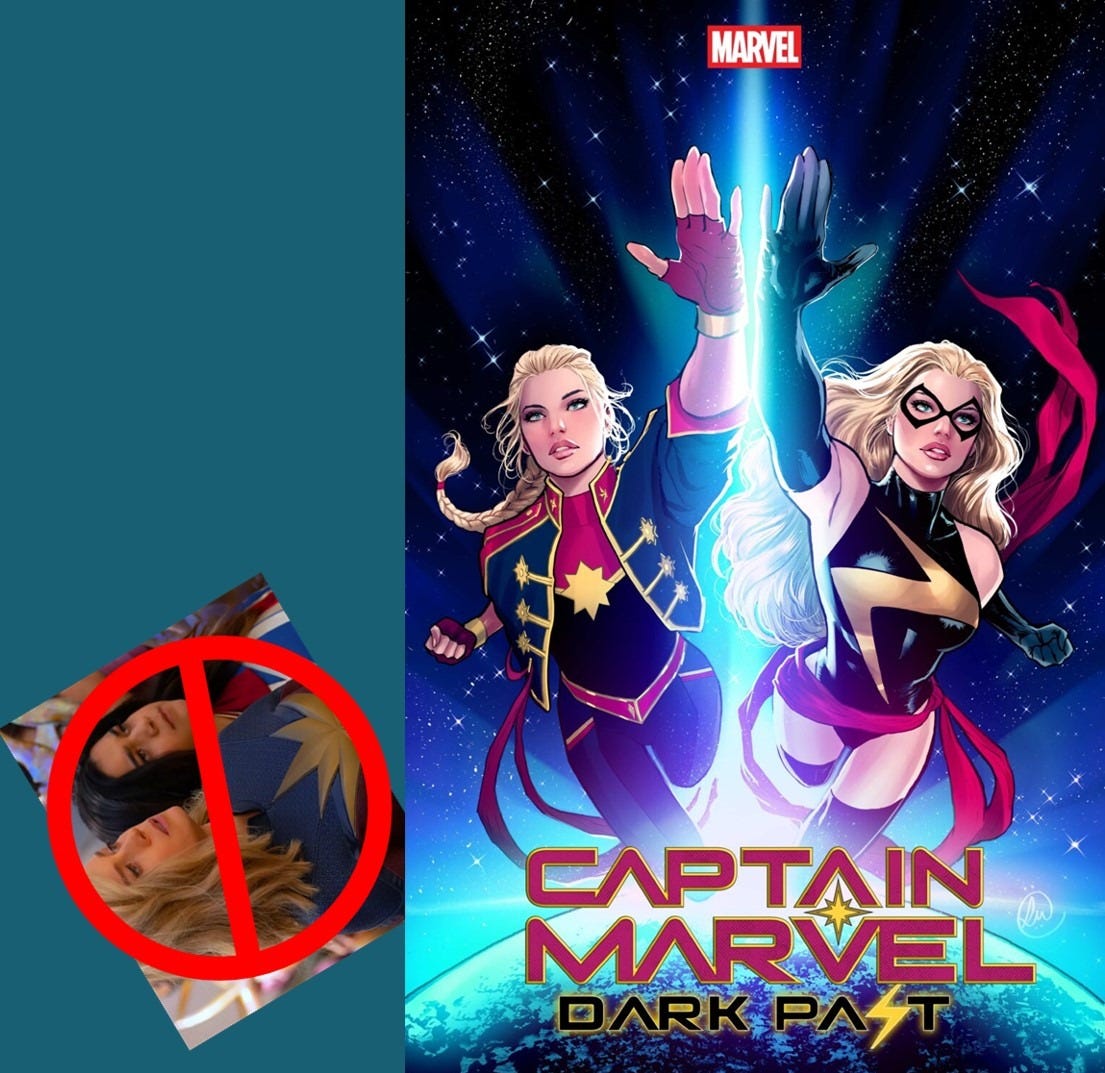
RBF Captain Marvel and the sad little Muslim girl are out. Lucas Werneck, Captain Marvel: Dark Past #1, Jan., 2026
One lesson is an old one. Convergence kills.
For anyone at all aware of Marvel the last decade, the return of classic, hot, Bronze Age Ms. Marvel is shocking. Apparently the RBF and sad Muslim experiments are over. Perhaps the Sgt. Pepper jackets and Michael Jackson gloves follow. Not that it matters in the end and it will probably be terrible, but the optics are crazy. Iger getting body-snatched-tier crazy.
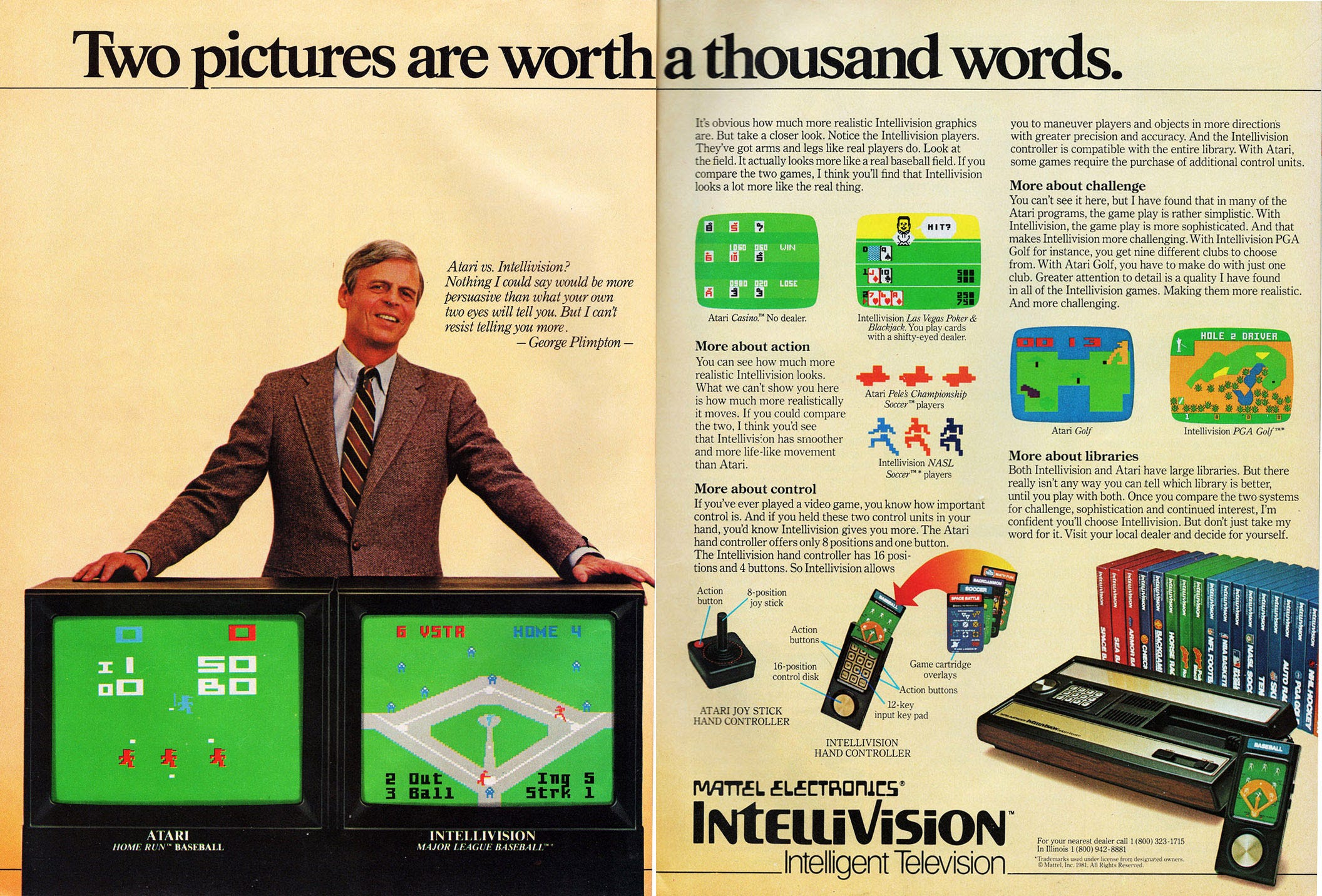
Fans go elsewhere. Kids found fantastical adventure in video games, for example, or videos. Web comics are popular now. But it didn’t have to be either/or. My generation watched infinity TV, but still had time for comics. There’s something compelling about the materiality - bright color collectability. No reason video game kids wouldn’t want a box of cheap splashy pulps. Unless they’d became something different.
The second lesson is cultural infrastructure matters. Make something not part of the background of everyday life and it stops being part of everyday life. Comics couldn’t play the role in Bandling lives that they did in mine.
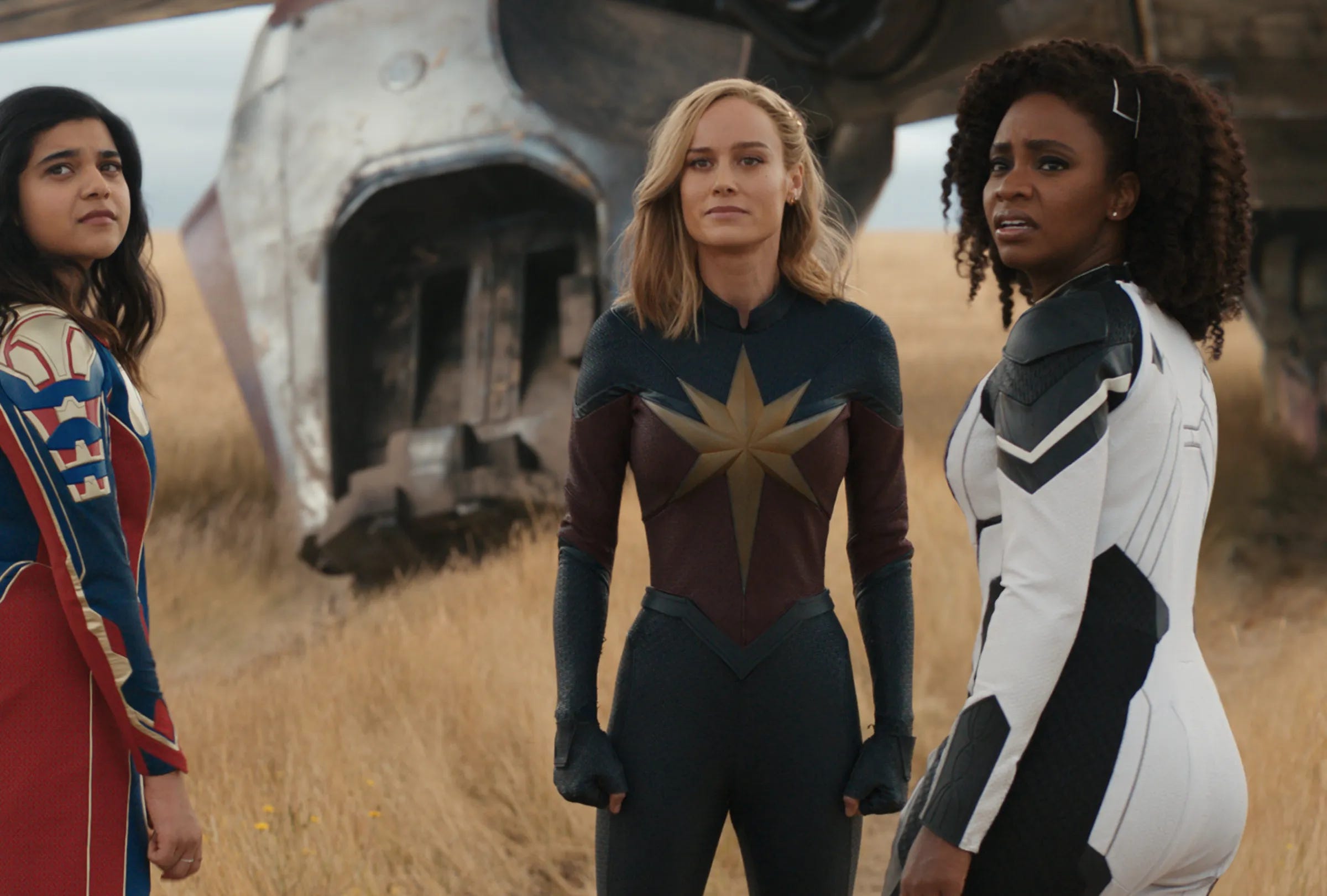
The flop is female…
The third lesson is financialization kills too. The complete death of aspirational heroism isn’t an accident. Stan and Jack were flawed, but understood basic honor, courage, and victory over evil. But there were no sugar daddies in their industry. Until the financial potential of the characters took off. Compare to the garbage characters choking out the Pedowood golden goose with the fume of their unpopularity.
Lesson four is sugar daddies aren’t buying “creative freedom”. Classic comics moved units or got axed. Blackrock-Disney will sustained a steady loss to hose the walls with fecal spray. If this changes again, The Script wants pro-social messaging. If it matters, it matters. Something else we have to take responsibility for.
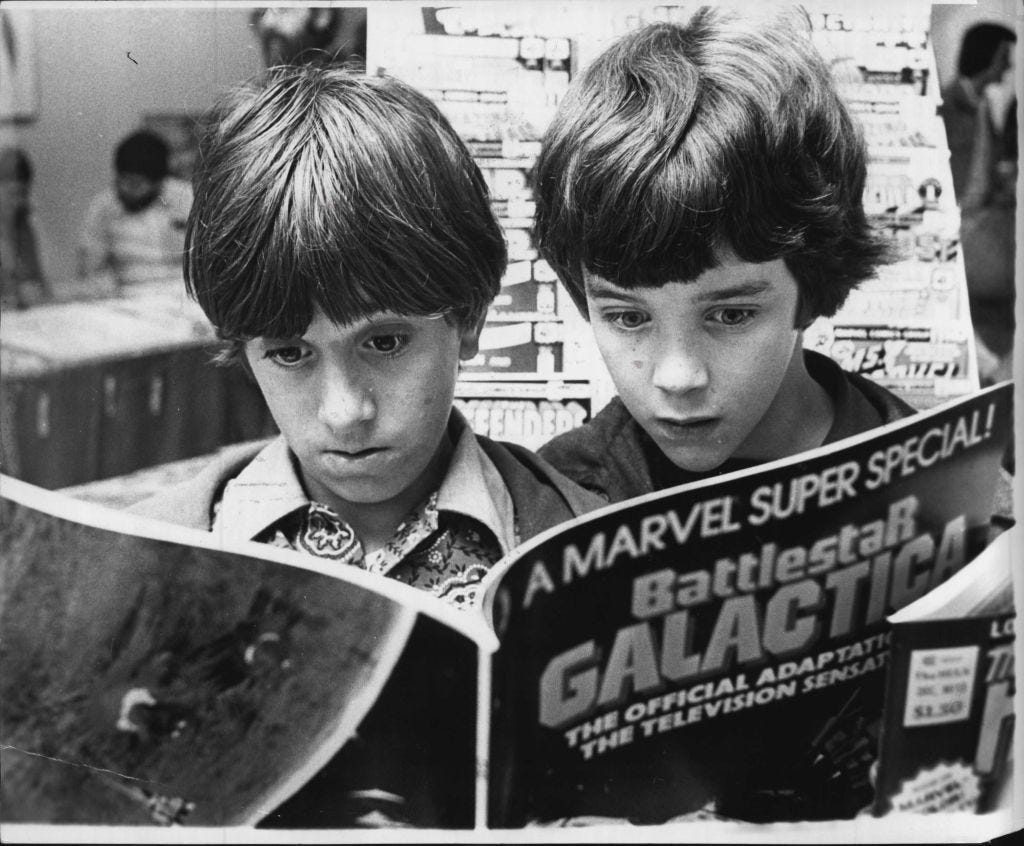
When it comes to classic comics, this isn’t changeable. They’re part of history now. We’re not getting spinner racks in Pop’s Drugs without the socio-cultural conditions that put them there. Packs of feral analog kids on bikes or housewives bringing the children on the afternoon errands. It’s the larger points. And the importance of fantastic heroic models. Just be mindful of what you select.
The last installments of an excellent option just arrived this week.
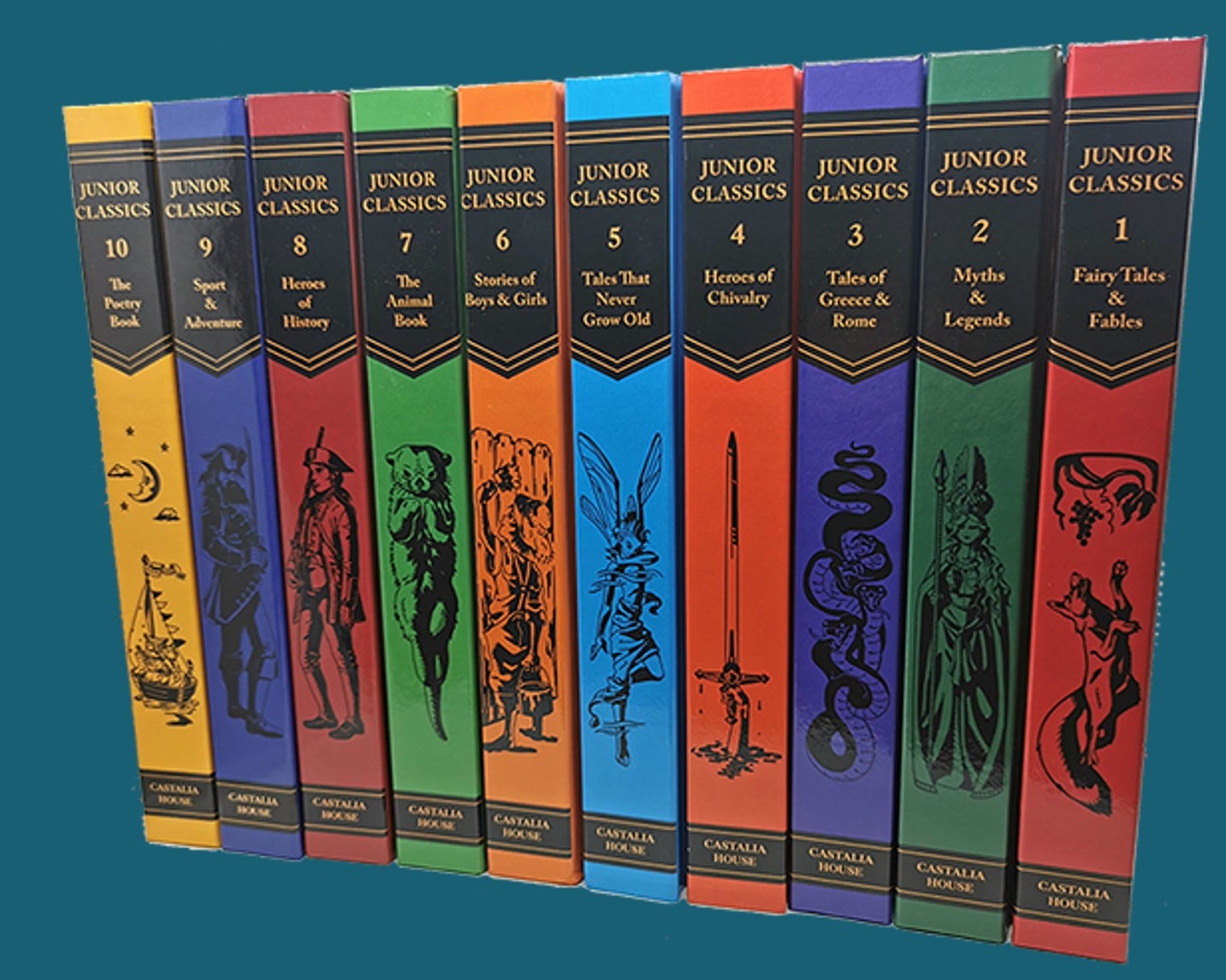
The Castalia Junior Classics 10-volume set
Part of being an outlier is endless curiosity and almost vertical learning curve.
I’m aware some kids read classic comics. There are kids that listen to big band jazz too. Everything is online. But they’re no longer the industry focus.
Except today’s “fan” isn’t an arrested development adult consuming healthy immature content. The pattern is to take childhood fascination and filter it through the most disordered adult psyches. Incest, cannibalism, endless genocides, sadism … the list crushes whatever “EC” was infamous for in the 50s. And with beloved characters that should have been a vast collective cultural legacy. The things that would appeal to a mainstream, healthy, socialized youth - the audience that makes your product cool - aren’t there any more. They age out.
Yes, the comic collection was an easy thing on the allowance back in the day. Not only did new comics fit neatly into an allowance of a handful of dollars a week, but if you had a few used book stores nearby, then the pickings on used comics were excellent. Sure you'd miss an issue here and there, but with some scavenging and persistence, you'd often find it -- even if it was months or years later.
Pity it didn't last, but no form of entertainment is safe from the childhood predators, whether they are after the child's money or the child. They go where the victims are, and comics often attracted kids. Takes a lot of hate to destroy an entertainment form that brings joy to the young.
I could rant for days on the ruination of comics, but for now I will just caution any parents who might be reading this - do not buy modern comics for your kids. There might be a couple good ones out there, but most are so invested into Clown World they should be burned. Superman having a gay son, Spider-Man being part of some "throuple" or whatever the hell it is, and so on. Even comics that don't actively push Clown values are written by people who have no understanding of how mature human beings actually speak or act. And drawn by artists who don't understand how human bodies work.