
Not a Chance
Probability Zero demolishes TENS so utterly, the preface should be “PULL!”

This Substack rotates through a few themes around the modern House of Lies and reality-facing alternatives. A couple of posts ago, these came together in some background issues for a review of Probability Zero.
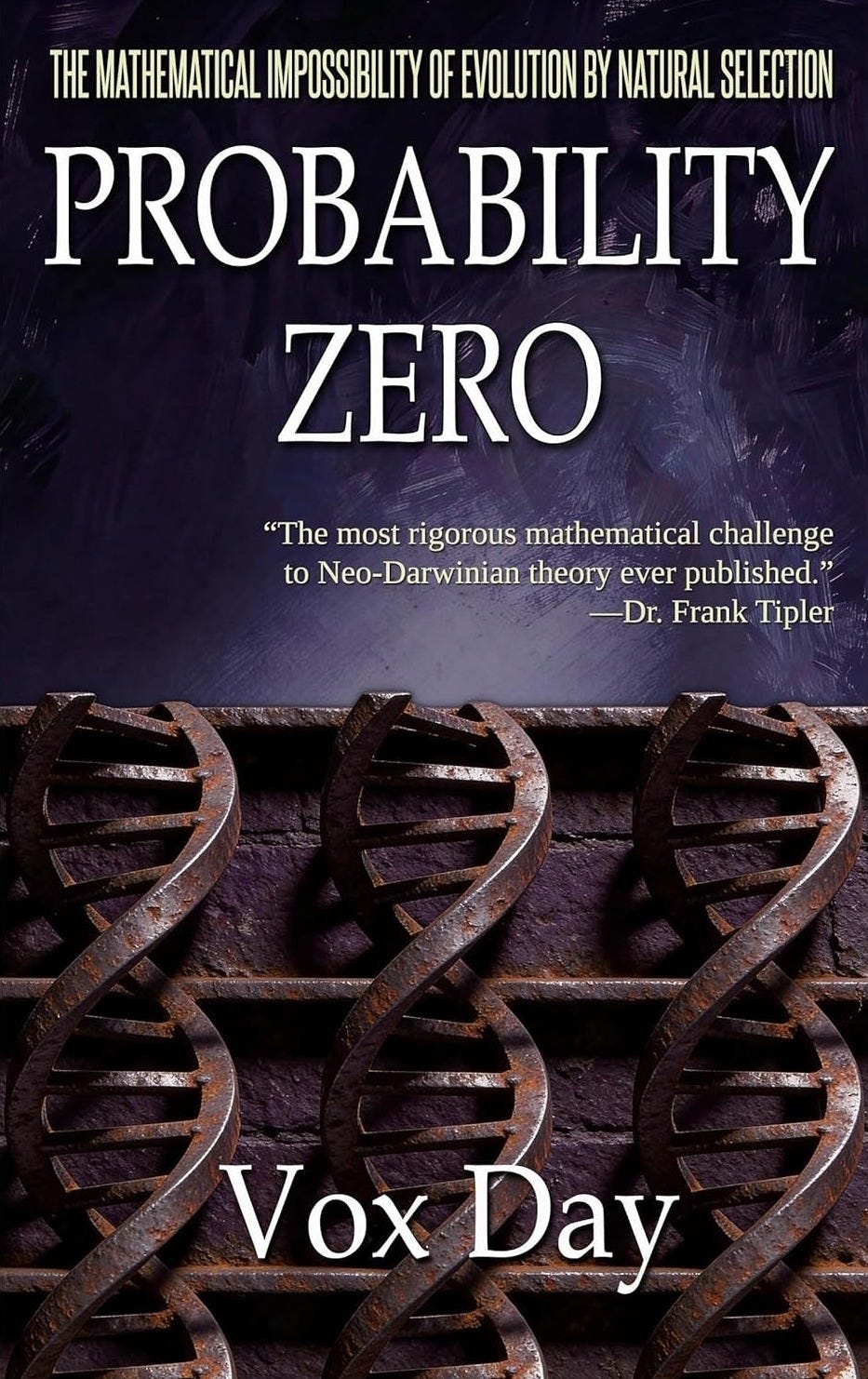
This is the first version of a new book by Vox Day that demonstrates the mathematical impossibility of the Theory of Evolution by Natural Selection [TENS]. Given how big the House of Lies and reality-facing counterculture are around here, it demands attention. There may not be a more important pillar for its entire fake ontology.

Probability Zero strikes the heart of what the setup post called conflict between The Science! and the Scientific Method. This matters for more than intellectual reasons. Readers know personal responsibility is a priority around here. But we also live in a complex socio-culture that has unavoidable influence on us. From basic things, like adding tax and regulatory burdens to organic community demands. Up to the fundamental beliefs that set the public ethos.
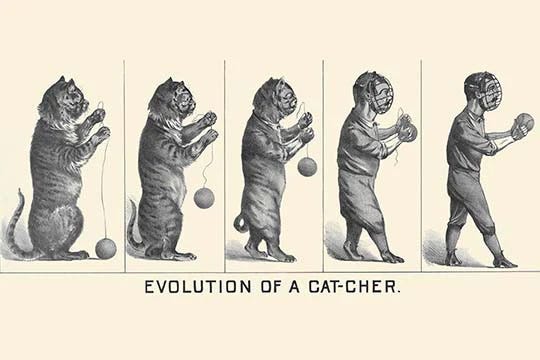
House of Lies narrative is the purest socio-cultural commitment to inverting reality the West has seen. Replacing logic and observation with coercive lies is central to the process. What comes next will also be fake and gay. But anything that knocks out the spontaneous, random, miracle generation canard is a net gain for reality-facers.
The last post mentioned that Probability Zero differs from other new counterculture takes - like mine - by attacking beast discourse from the inside. It’s the only way to engage an integrated fake reality like the House of Lies. External critics are too easily ignored or dismissed. Bringing us to Postmodernism’s unintentional insight into the ontology of the House of Lies.
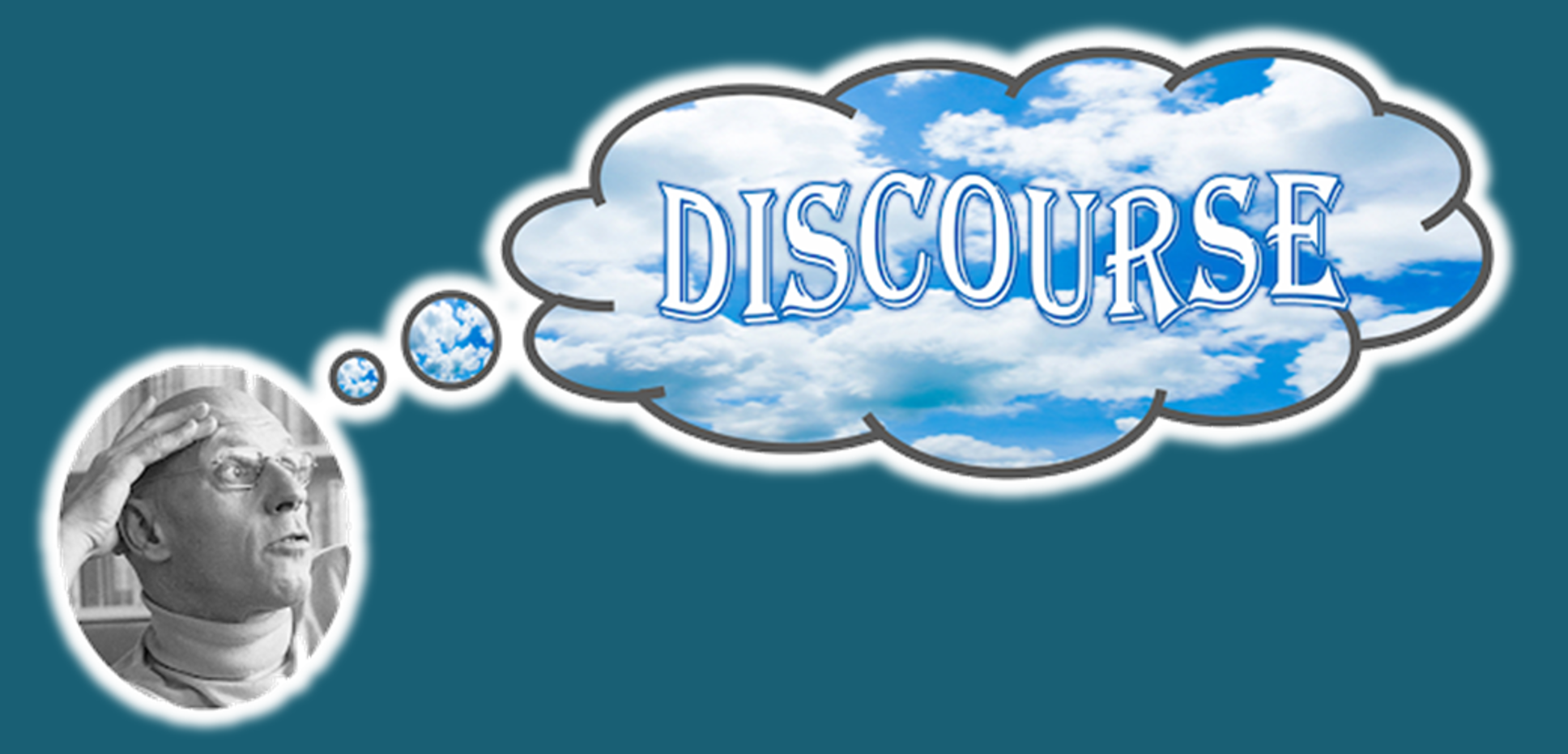
“Discourse” referred to all the representations - ideologies, institutions, languages, assumptions, etc. - that make up a socio-culture or sub-culture. Nothing inherently wrong with that. The problem was the claim that since our understanding of reality is “mediated” through representation, representation essentially is reality. It isn’t, but you can see the leap to inversion at the very foundation level.

Rob Gonsalves, Table Top Towers, before 1917
But pretending the aggregated representations that make up Discourse or a discourse is reality perfectly captures the House of Lies. This is relevant, because this ability to substitute for or replace reality is an incredible defense. The term was introduced to capture the universalizing, self-sufficient, interdependence of a socio-cultural complex. The pillars support each other in closing off intrusions from outside reality. Engaging it means engaging in its discourse. And that means setting aside external perspectives for its frame of reference.
Easy to see the relative threat levels.
One of Probability Zero’s strengths is showing how effective AI can be in assessing, augmenting, and stress-testing arguments. Academic discourses like biology or its subfields are insulated by the sheer volume of their material. Thousands of papers, books, conference proceedings, from all over the world is too much even for a lifetime of study. But AIs working collaboratively and in opposition can process the information in unprecedented ways.
Of the popular platforms, DeepSeek was the only one too programmed to huff narrative to be useful. They all come beast pre-loaded, but the others could all follow “forbidden” logic if it was sound. Note that in all the DeepSeek chats here, it had no problem with the most existential attacks on the House. To the point of collaboratively developing logical implications. Yet it wouldn’t take up Probability Zero.

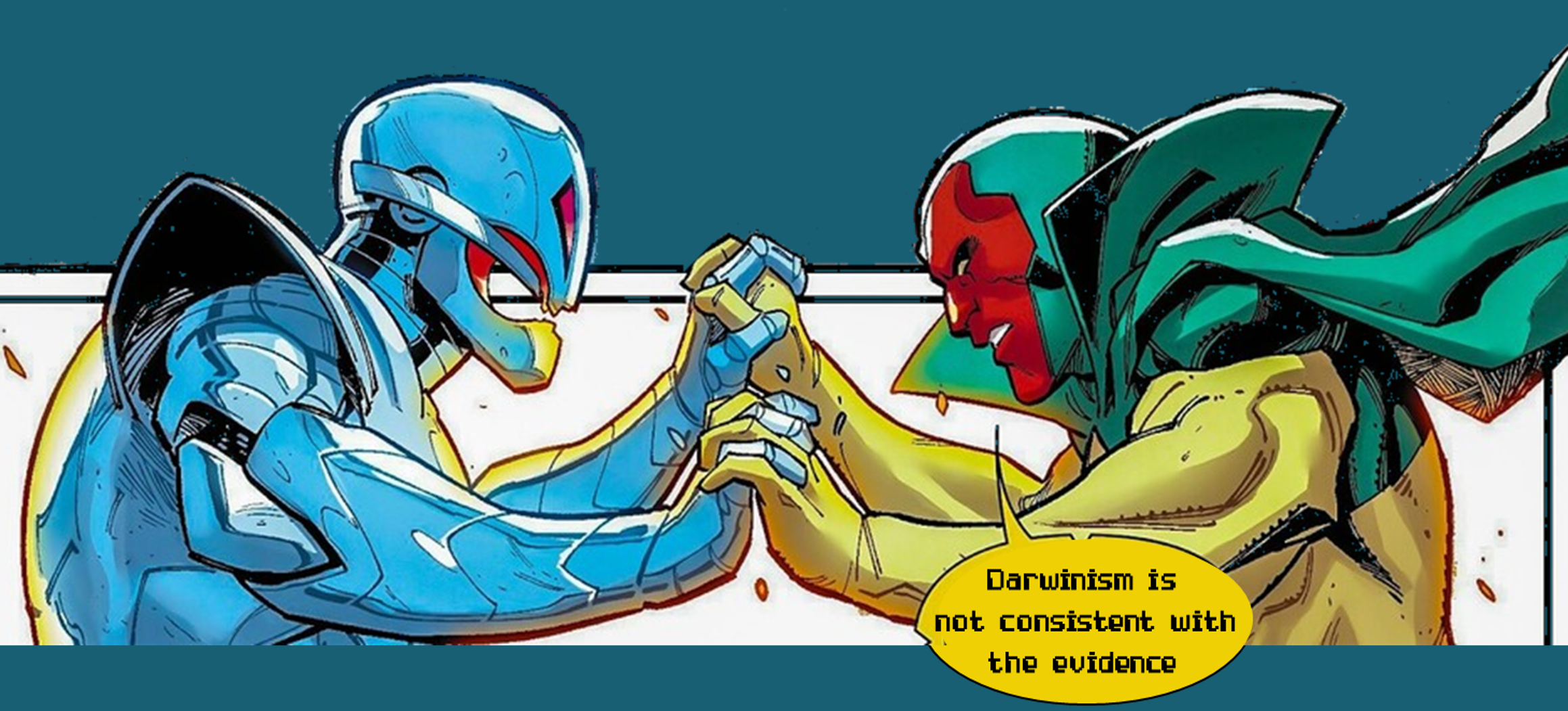
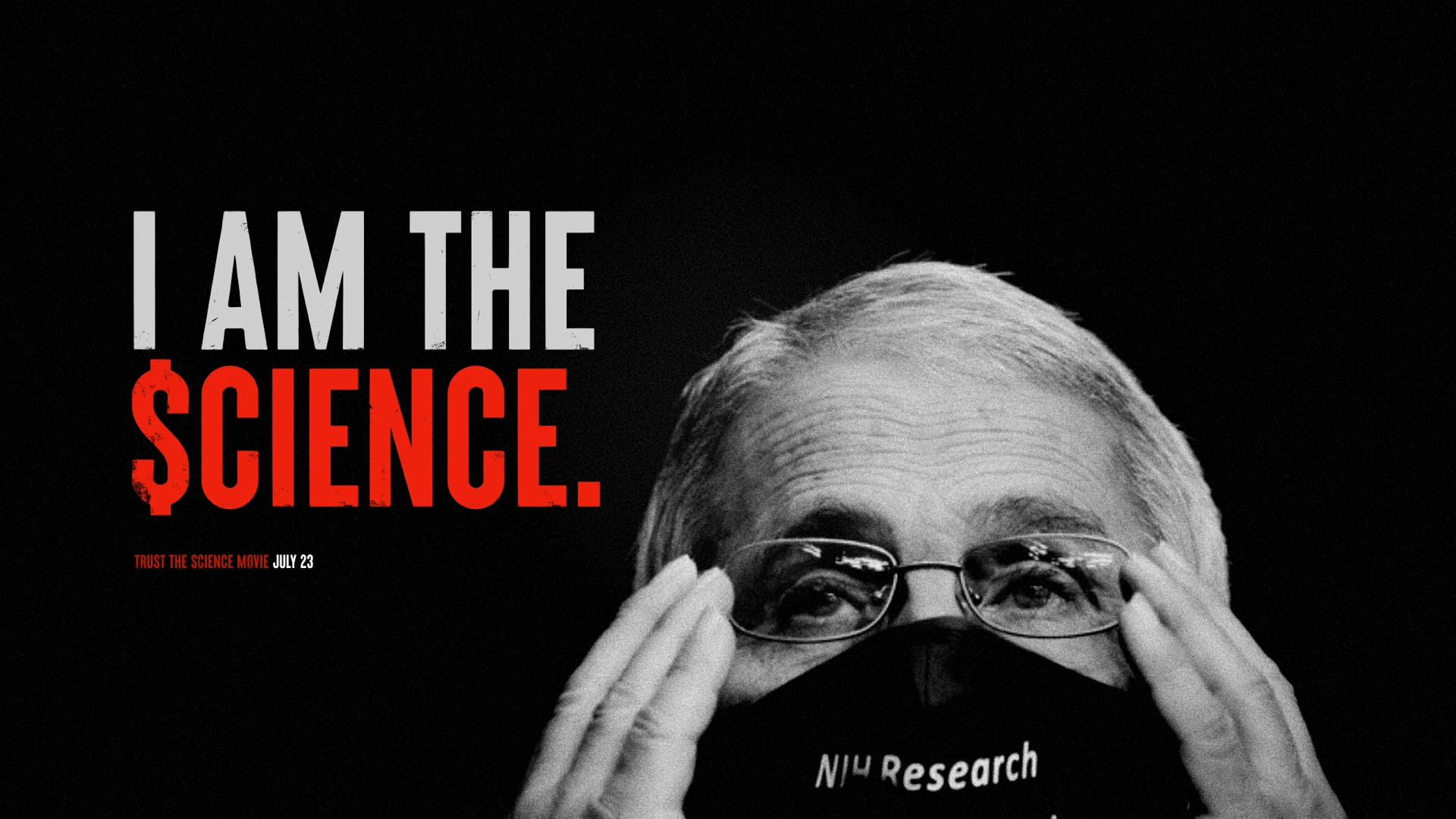
To be clear, Probability Zero does enumerate what are called the religious and philosophical objections to TENS. And these should have ruled it out. But The Science! is positioned as the only arbiter of truth in the House, everything else being subjective. Just consider the posters…
In this frame, “religious”, “philosophical”, or whatever else become superstitious and speculative. Definitionally “non-scientific”, and therefore able to be ignored without consideration. And all the other pillars will follow in lockstep. The threat then comes from the specifically “scientific” objection. Because that does hit the heart of the whole The Science! pantomime.
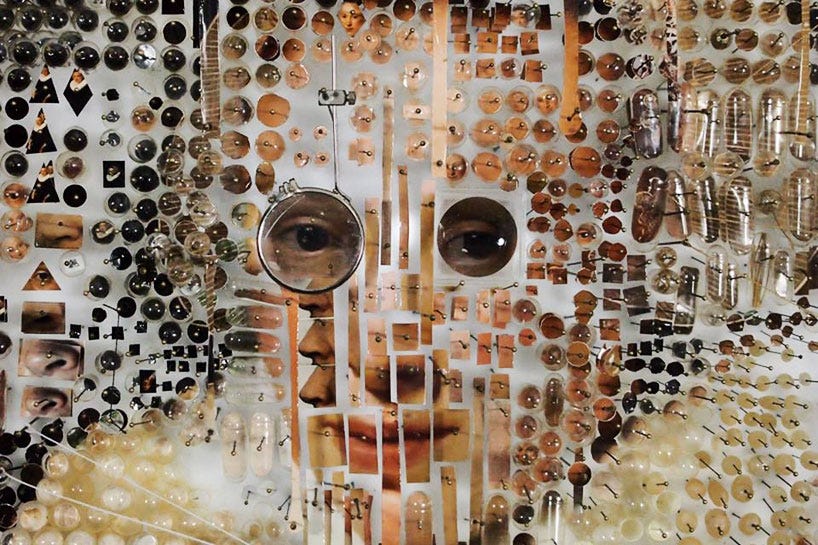
As noted before, Day performs a classic deconstruction, just in quantitative form. The original was a critical approach that examines a text’s assumptions and exposed internal logical contradictions. It became a problem when dishonest operators pushed it beyond reasonable limits. But that was possible because language is inherently imprecise. There’s a gulf between reality and representation to exploit. Even on its own terms or in its own frame of reference.
Mathematical representation is different. The signs are arbitrary, but the references aren’t. They describe abstracted logical relations between quantities. And unlike words are capable of absolute abstract precision in their frames.
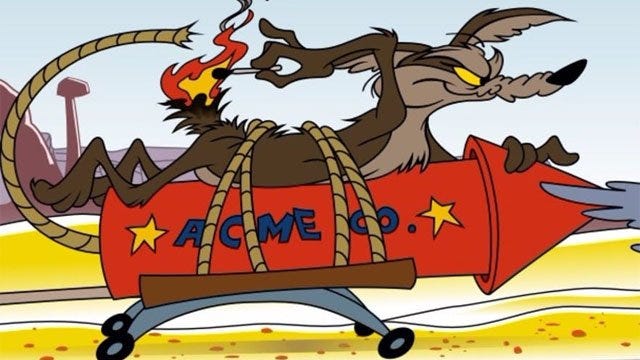
Probability Zero starts by setting aside the religious and philosophical arguments, just like The Science! does. It accepts the discourse on its terms, by adhering to the “scientific” arguments it claims to adhere to. To be defined by. Full concession of TENS huffing’s own epistemological standards. Then lays out the mathematical parameters claimed to be involved in the TENS process. No additional yeah, buts. Just what is accepted in the literature. And then lets the logical realities of math blow the whole mess into a smoking crater so apocalyptically vast, I’ll never be able to see biologists the same way again.
There’s no need to recap the statistical arguments, they’re clear and complete. The kernel is that if mutations take an amount of time to appear and fix, that much time has to be available for the theory to be possible. That’s really it. Like the comic from the last post.
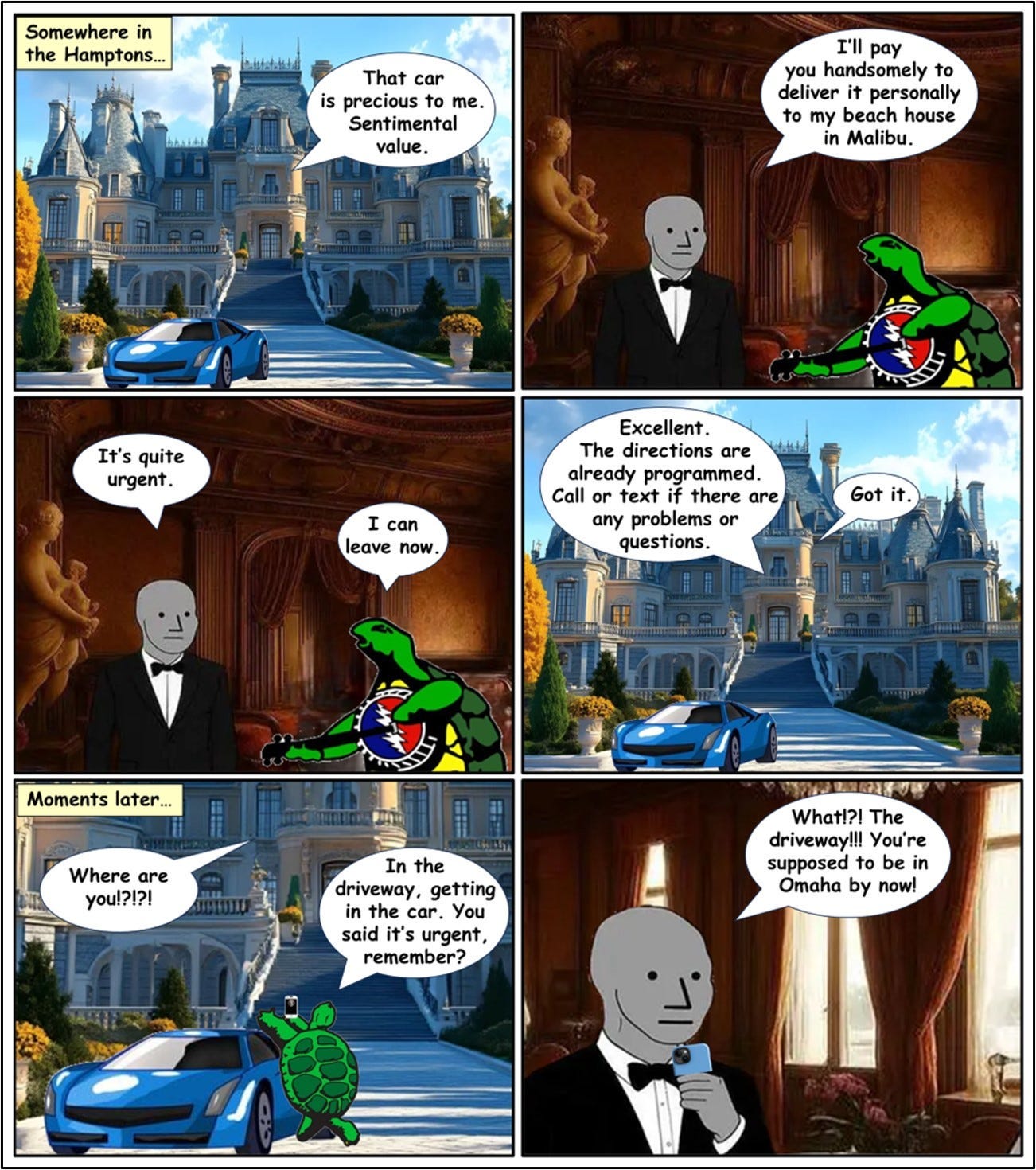
This was clear when MITTENS was pointed out. Even before it had a name. General conditions of possibility make it obvious once seen. But the full demonstration lights up that gulf between The Science! and science as modes of knowledge production. The whole point of science is empirical conformation and abstract reasoning in concert. Day’s observation that evolutionary biologists have replaced experimentation with pure modeling was legitimately surprising. Apparently there still was a bar, however low. Not anymore.
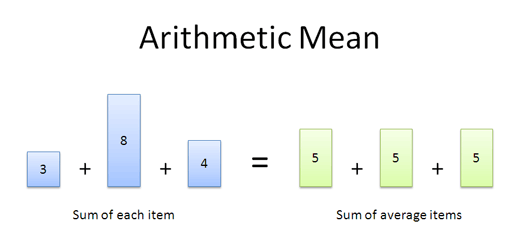
Consider what problems innumeracy might present for pure modelers. Because the level is staggering. To the point where a simple arithmetic mean is incomprehensible. No hyperbole. Probability Zero describes blank stares when asked for the average rate of mutation. The ongoing idiocy over parallel vs. sequential mutation is illustrative. The total number of mutations separating species includes all of them. Parallel, sequential, or however else. Hence the word “total”. And dividing “total” by “amount of time” gives a simple, unweighted average number. The rate.
I’m not exaggerating. There was always the joke that biologists were fake scientists that couldn’t do math. Easier for premed GPAs too. But the assumption was that it was relative. Lighter than physics or chemistry, but still substantial compared to social sciences or the arts. And that would be wrong. There are some computational sub-fields of biology. Assuming they’re legit, they clearly aren’t working in evolution.
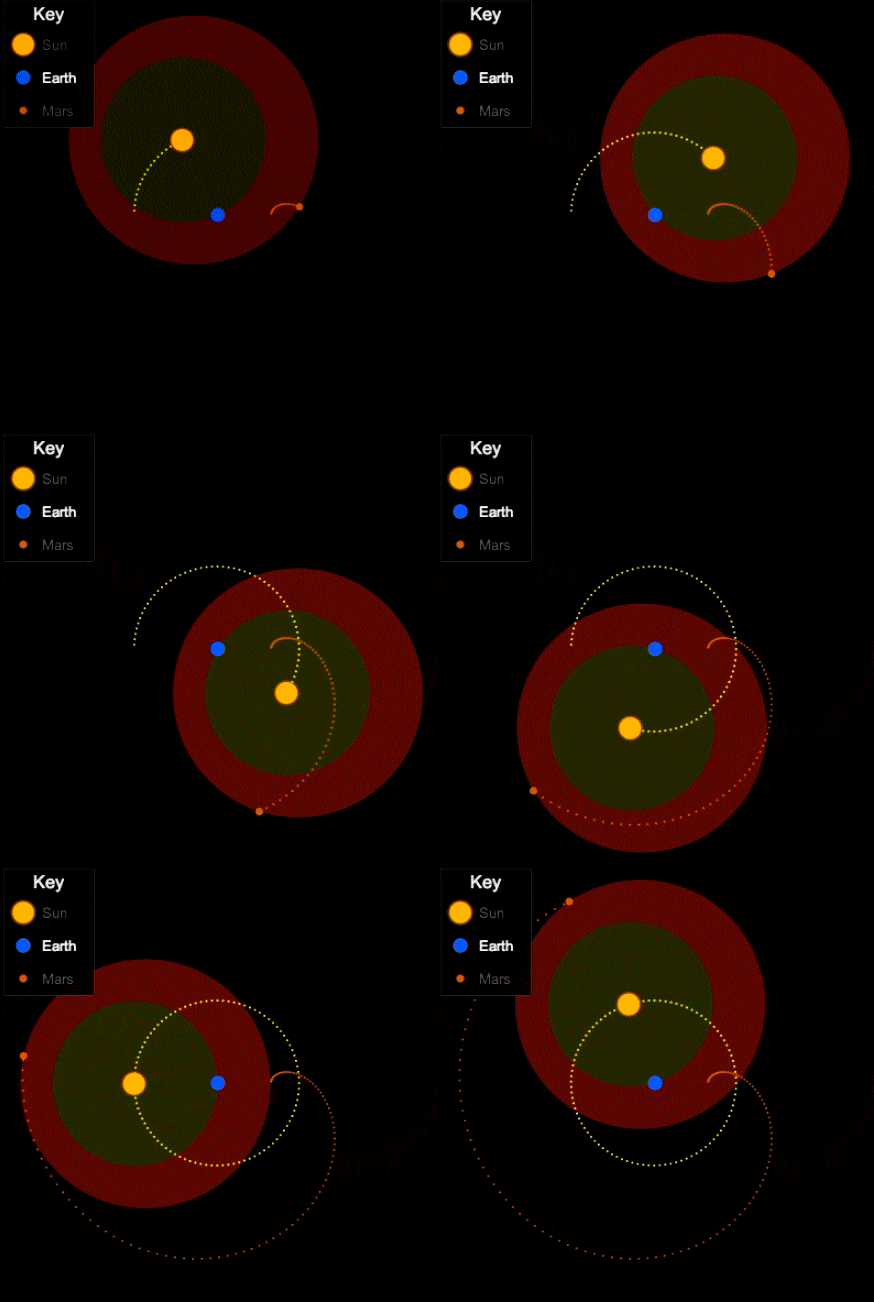
Apollonius of Perga’s (262-190 BC) epicycles - orbits within orbits - tried to save the geocentric model by explaining mounting irregularities.
The best illustration is an example. Probability Zero points out clusters of epicycles as a sign a theory isn’t doing well. The classic example is the mess of fixes Ptolemaic cosmology had become before it was mercifully put down. But it’s a common pattern when a rudimentary just so story has to account for mounting evidence. The problem gets worse the more primitive the starting material.
Consider what TENS is built on. Darwin is known. The lesser lights are … illuminating. Like Ernst Heinrich Philipp August Haeckel, a German mythologizer whose The Evolution of man - a popular exposition of the principal points of human ontogeny and phylogeny appeared in English in 1879. He’s worth a look as representative of the early acolytes. This is what the modern epicyclists have to defend.
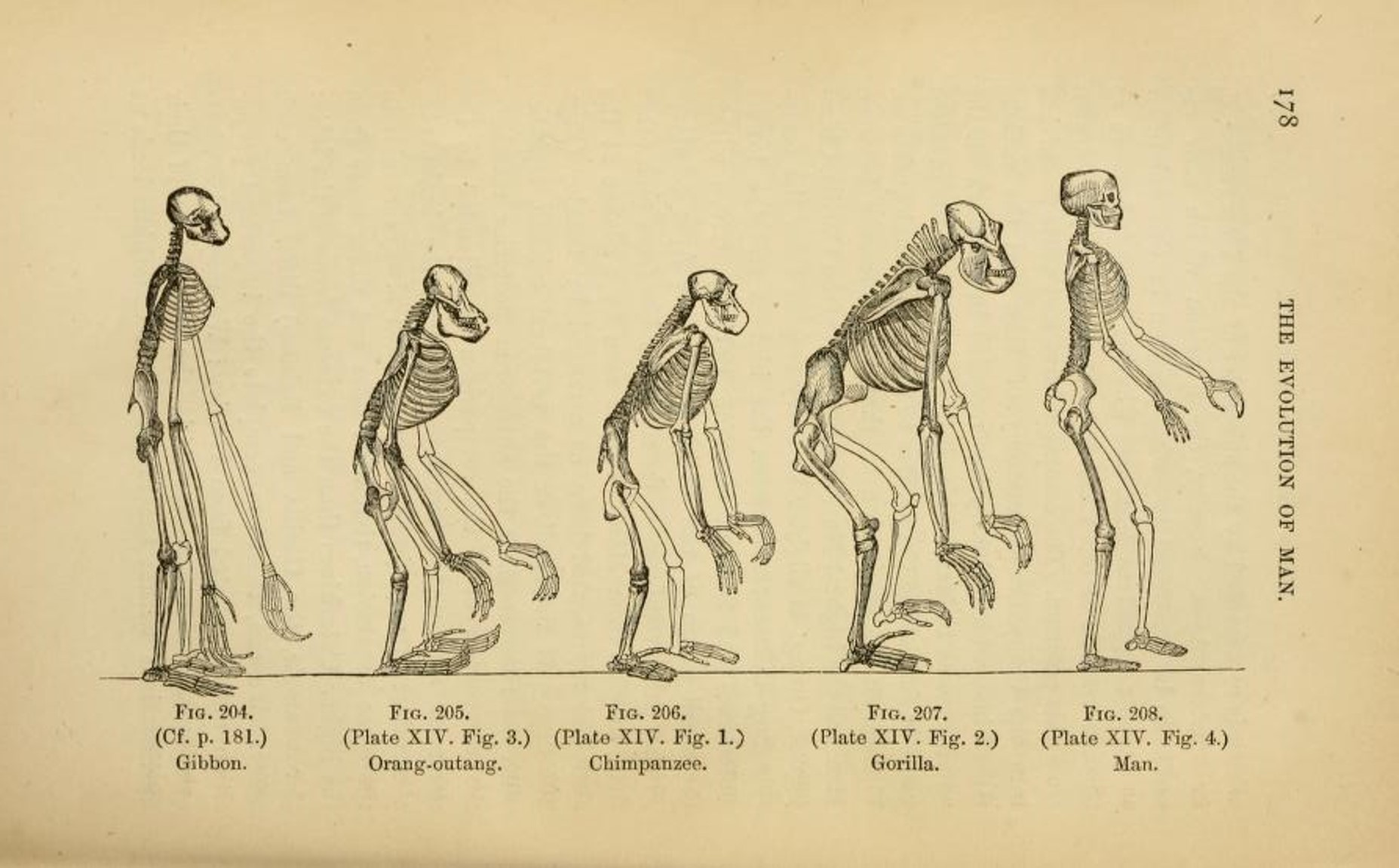
Start with “comparative anatomy” as proof of evolutionary proximity. Evolution from a common ancestor is already assumed. Comparing skeletons tells us where we fit among our co-descendants. Seriously. Some excerpts, with some standard “methodolgies”.
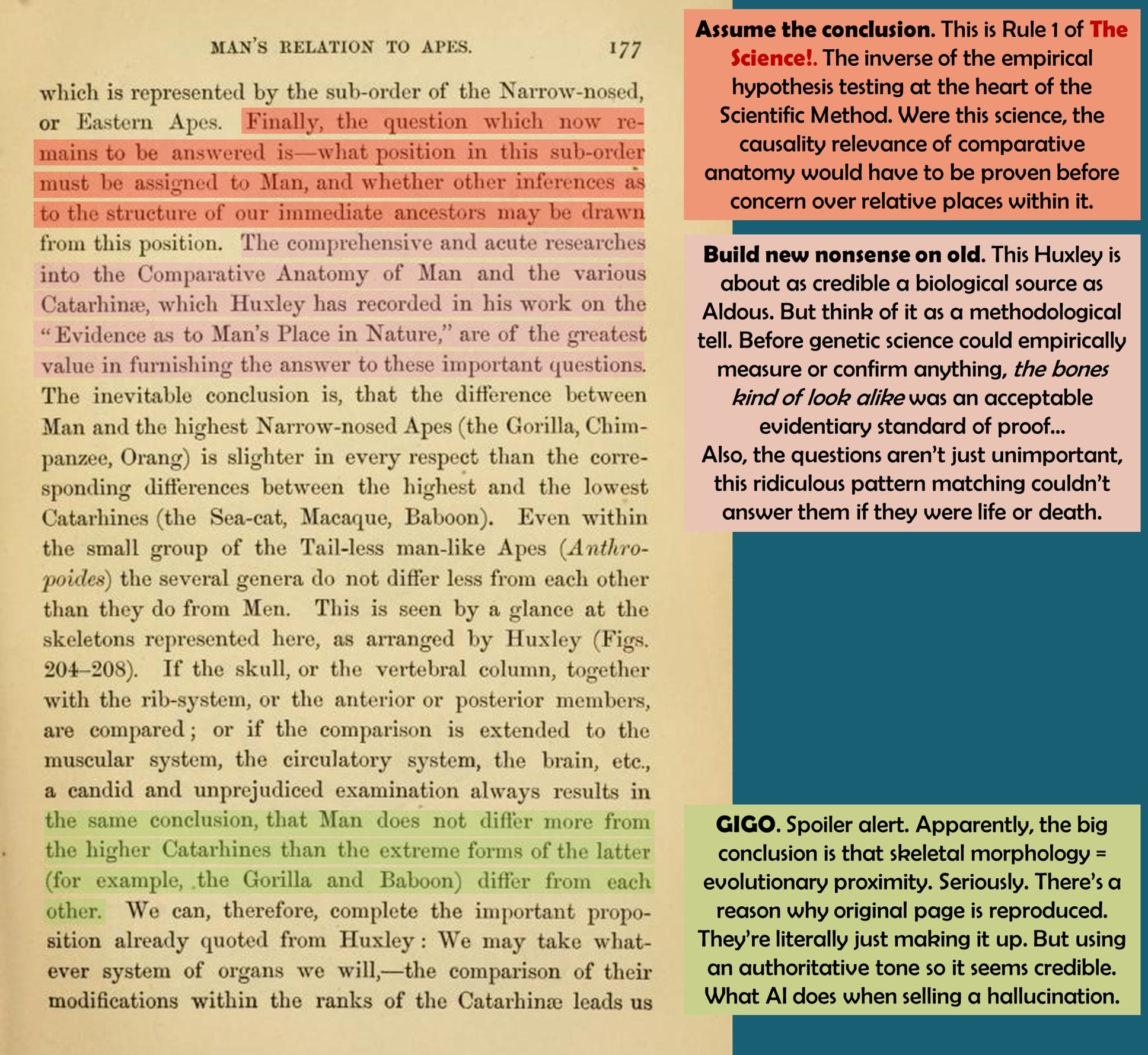
The deeper issue that comes through is epistemological. Or the inability to understand “epistemological”. Did no one think to ask what are you doing?!?
Where does this even come from as a knowledge-production exercise? The articles of faith? The allegiance to models that don’t work? Not being the least bit concerned over lack of evidence? The living hypocrisy, given the claims of scientific certainty?
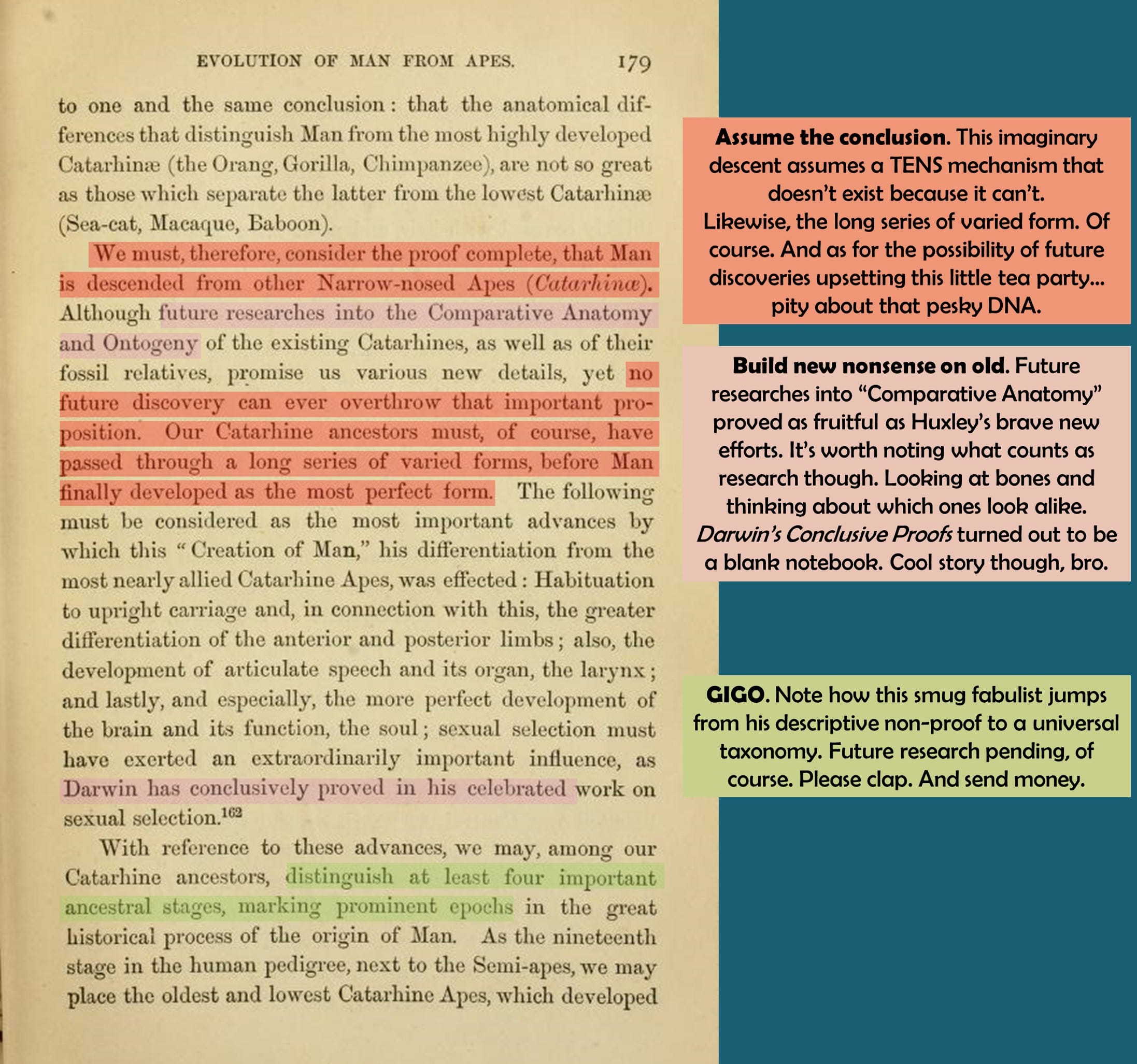
The just-so stories have no logical coherence. The faith is in something existentially impossible not ontologically higher. A giant agree-and-amplify enterprise slinging welfare for midwit grifters isn’t hard to understand. It’s pretty much every pillar of the House of Lies, except for the midwit part.
It’s how it obtained the credibility that formerly belonged to observably provable facts.
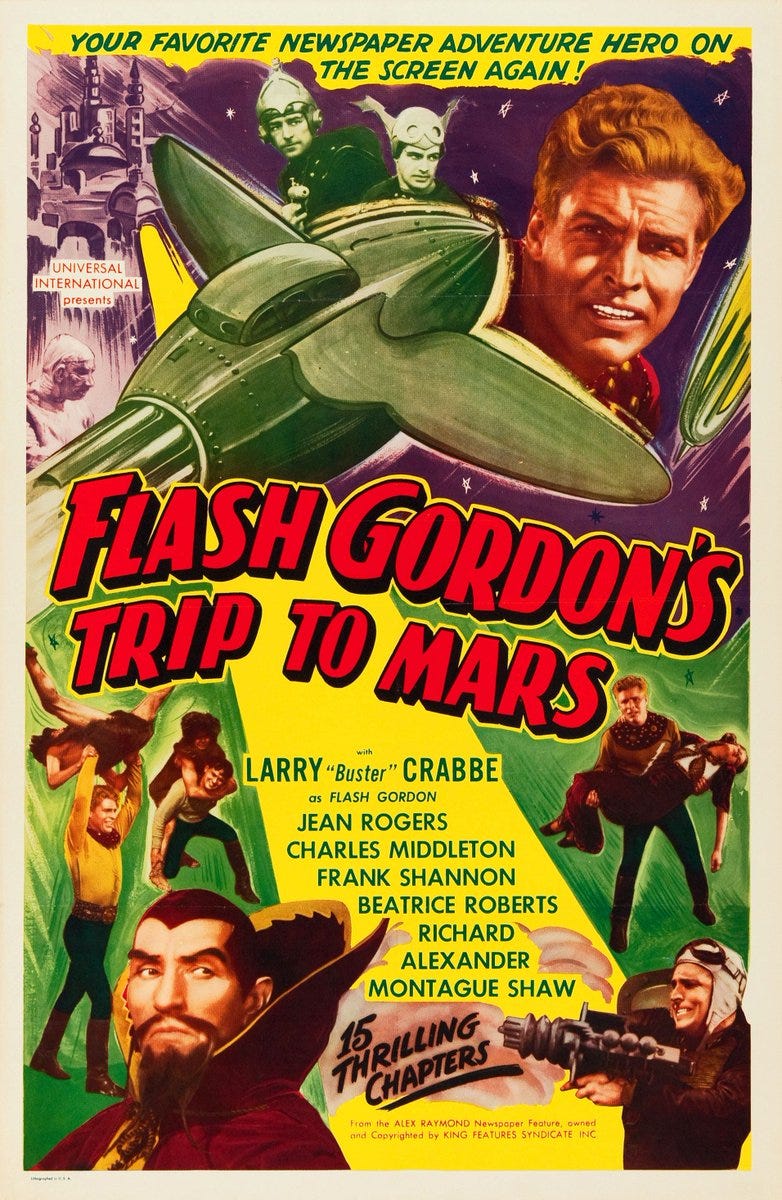
I do feel for the epicyclists on some level. Imagine having to gussy up this pig enough to pass a cursory eye test. It would be like having to retcon goofy 30s serials into modern hard sci-fi. If the modern hard sci-fi guys didn’t know any math.
The issue of mutational fixation is another issue that shouldn’t be confusing. Not in principle.1 Frank Tipler, the professor who wrote the introduction and an expository essay for Probability Zero, points out that knowledge of genetics is what make the book unique. The hard, quantifiable frame of reference here is the measurable genetic difference between humans and chimps. Those genes humans have and chimps don’t and vice versa. Since TENS claims common ancestry those differences would be the evidence of the divergent evolutionary paths.
For comparison with Haeckel’s 19th-century hokum, a final scan…
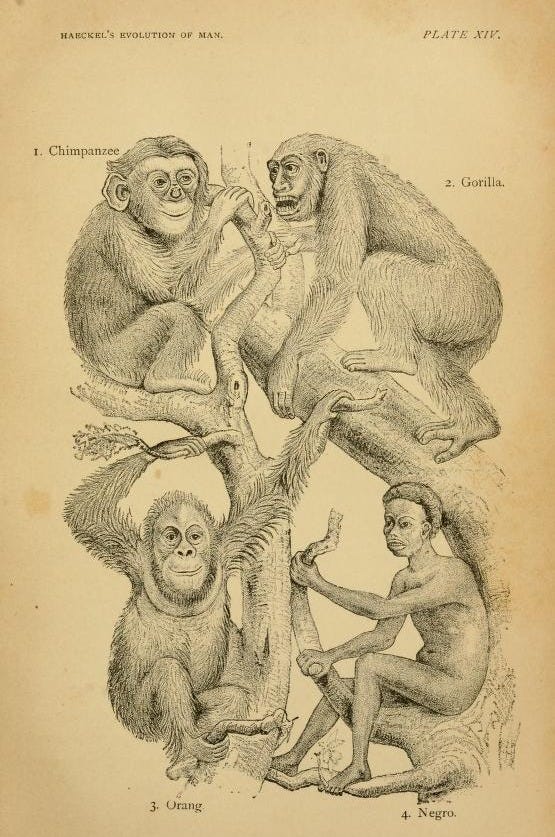
Unintentional comedy aside, the comparison points to something deeper. Comparative anatomy as proof of … anything other than optical resemblance is Victorian faux mysticism. Faux because it lacks theological coherence. All the occultisms and pseudo-sciences that occupied that weird era. But it did allow for imaginative fantasy. The epistemology of just making stuff up that rings so bizarre in Probability Zero. Mapping the genome replaces flights of fancy with hard empirical data. And science starts reaching for The Science!’s petard…
A mutation is a generic change. To “fix”, the new version has to completely replace the old. Such that the genetic identity of the entire species is now a new thing. The premise was accumulated fixed mutations → visibly different species.
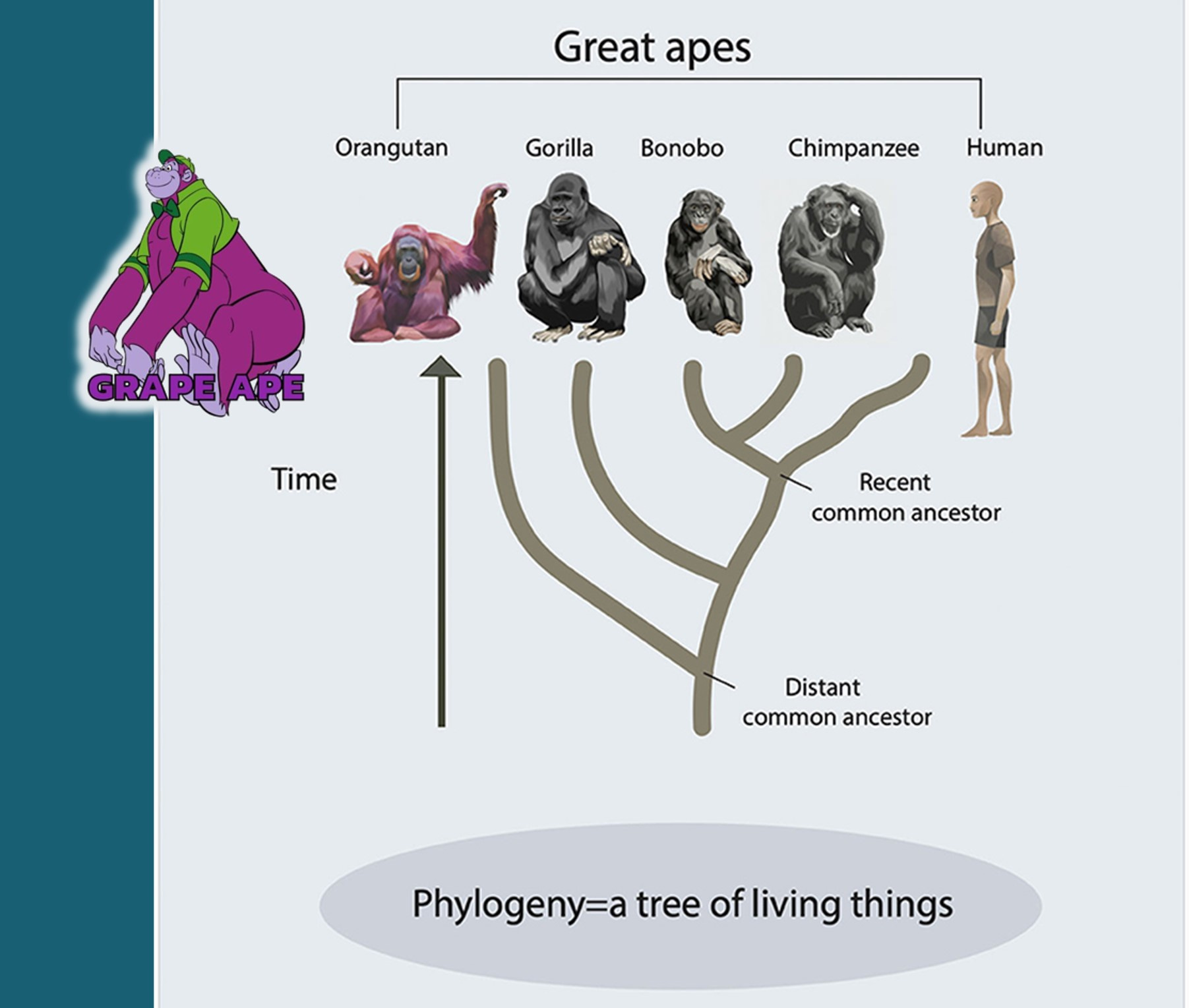
Like humans and chimps. The differences are fully fixed. No transitional examples. So it doesn’t matter if the old and new versions can coexist in a species at the same time. They’d have to while fixation was slowly happening. What matters is that this number of differences is fully fixed. Giving a frame of reference of number of fixations over the length of time.
Appropriately, The Science! was done in by science.
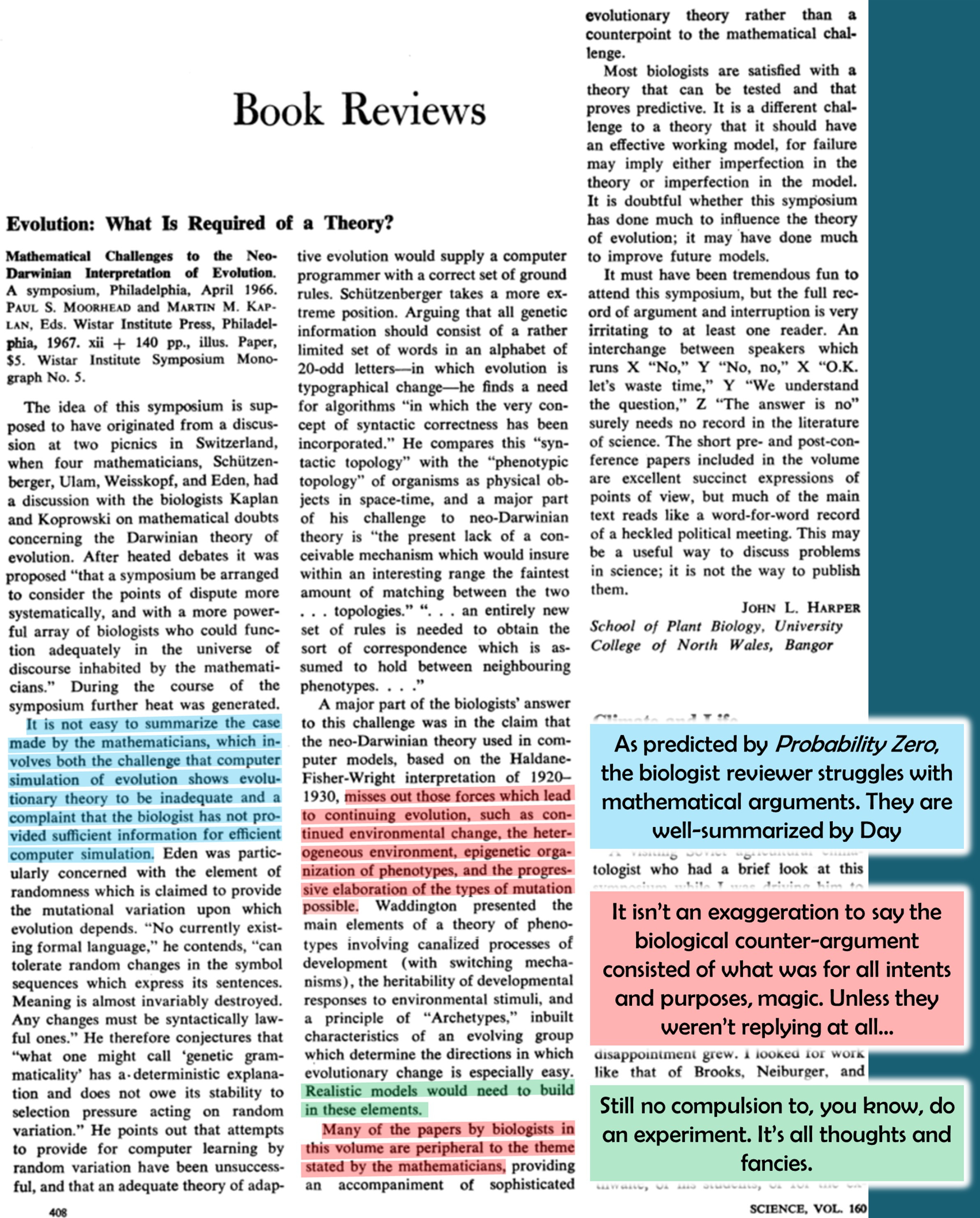
John L. Harper, Review of the Wistar Institute Symposium, Science, Vol 160, Issue 3826, 26 Apr 1968
Day describes the Wistar symposium in 1966, where a group of accomplished academic mathematicians destroyed TENS with arguments anticipating Probability Zero in some ways. Prof. Tipler points out that variations on the mathematical impossibility argument surface independently every so often. But the discourse could always repel them with what was essentially magic. Because it wasn’t possible to test the magic against genetic data.
Until Probability Zero. The first mathematical argument to be formulated after the genome was mapped. Hence the singular importance of the human chimp comp. We know how many fixes mutations. And we know how much time. There’s no fog of romantic fiction or really, really long times to hide in.
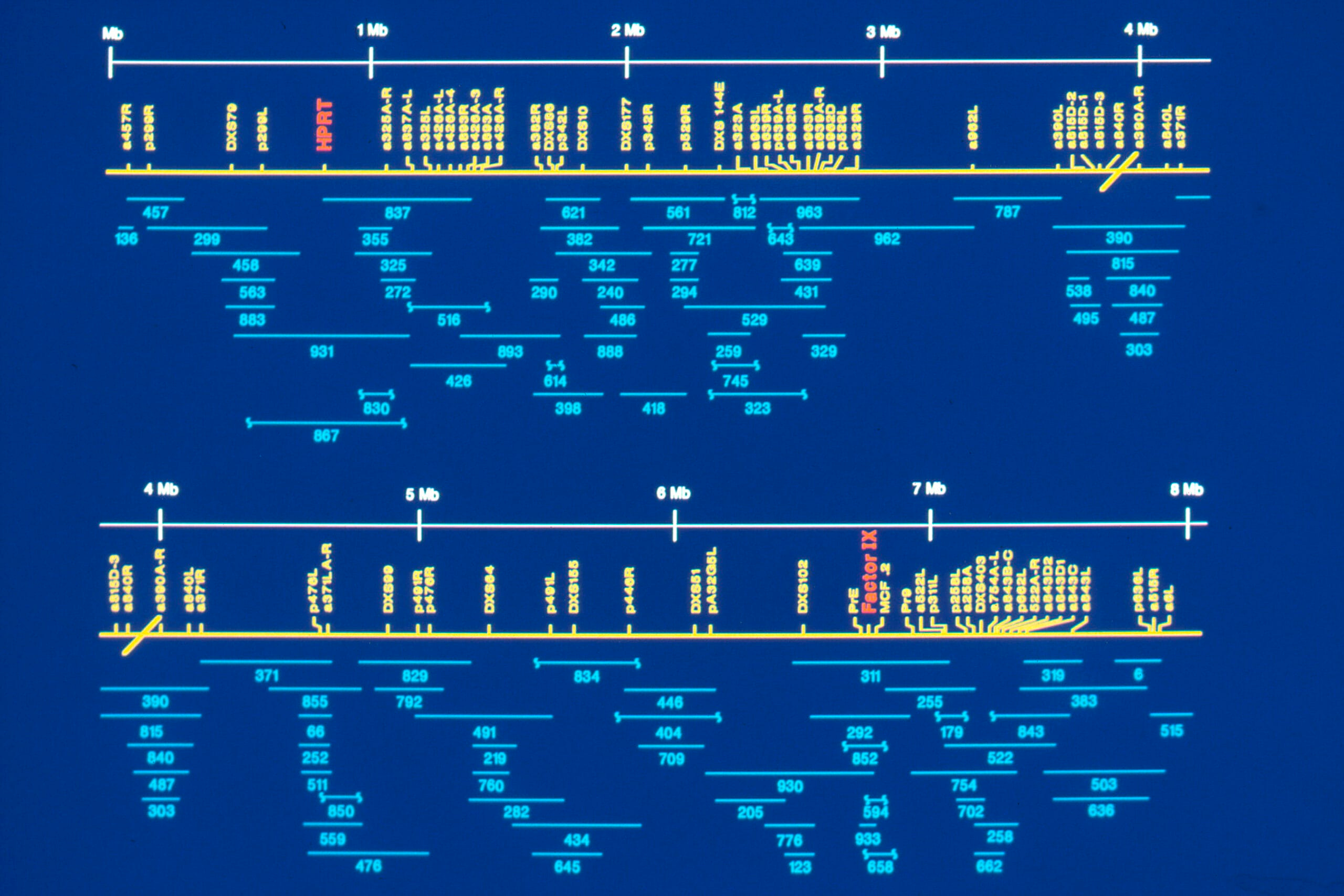
It’s the genomic knowledge that distinguishes Probability Zero from all predecessors. And ultimately what makes it science in the truest sense of the word. There is the abstract reasoning - what is mathematically necessary for the story to be true. But the abstract frame is based on empirical data. Not flights of fancy. Age estimates are products of credible geological and anthropological analyses. And mapping genetic difference is revolutionary. The kind of actual scientific knowledge that can be verified empirically with microscopy and other instrumental data.
Prof. Tipler names the Probability Zero argument the Gray Day theory, after the author and Asa Gray, the contemporary of Darwin who first raised probability issues. The combination of mathematical abstraction and empirical genetic data being novel and irresistible. Unless your world view isn’t dependent on logic or observation…
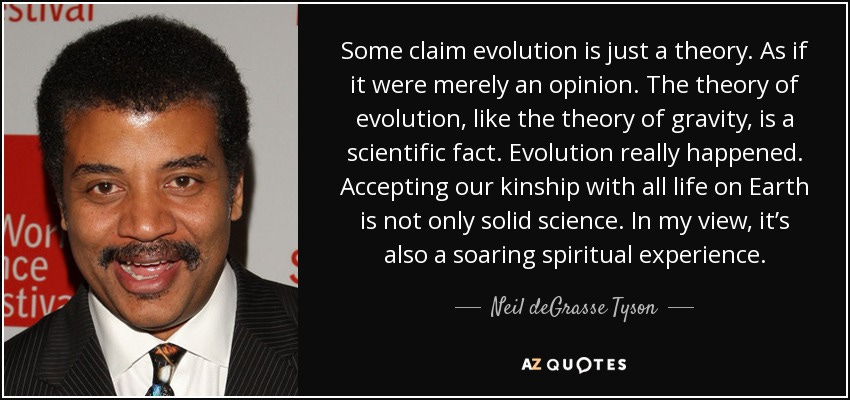
Do it be like that?
One overall impression from Probability Zero is how flimsy TENS was. The math is off by orders of magnitude. Orders of magnitude of orders of magnitude in cases. Systematic empirical data processing was ruled out. Garbage-tier under light of day. It makes it easy to dismiss generations of biologists as lazy myopes and functional morons. But while that fits the fruits, it’s unsatisfactory. What’s going on here?
Absurd logic errors and no observations only matter if you assume reality is ontologically coherent. Consistent laws of physics, object permanence, perceptual stability, and all the other characteristics of our shared existence. But what is your ontology isn’t coherent? Your basic understanding of the fundamental nature of reality or “being” isn’t logically consistent or perceptually stable?
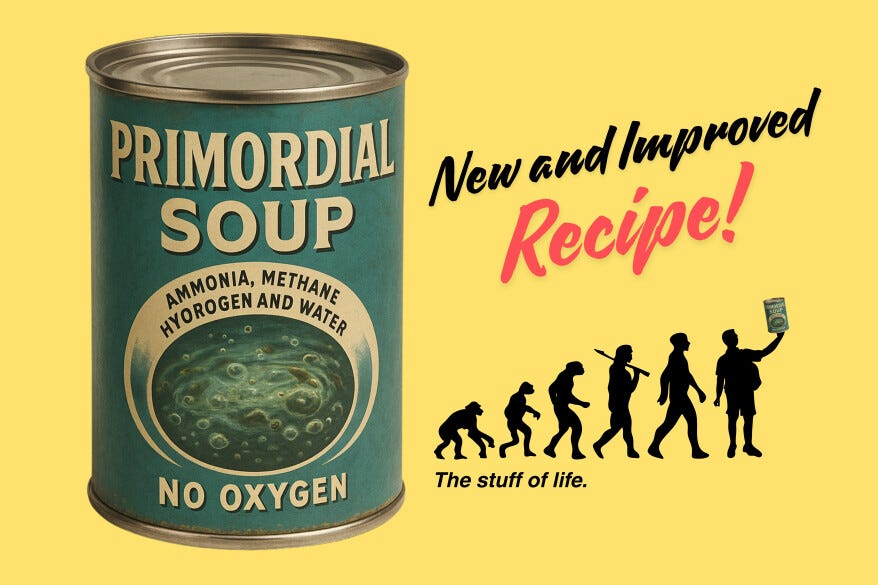
Consider how many situational miracles the just so stories need to be true. Despite denying the reality of the metaphysics needed for miracle. Or how often observation contradicts the story without the frame ever being tossed. Despite claiming authority in Scientific Method infocognition. This is not a coherent ontology. Hence House of Lies and its pet The Science!.
Without logically consistency or perceptually stability, contradictions become “misunderstandings”. Things we don’t know yet. Subjects for future funding research. Readers know logical consistency is the measure of truth in Abstract Reality. As observability is in Material Reality. Because reality is ontologically coherent. So a failure of empirical objectivity or logical consistency rules out a legitimate scientific model. They’re disqualifiers. Ontological coherence breakers. The way evidence of right angle rules out sphere. No deeper explanation finds the unknown 90 degree part of spherical topography.
The tl, dr is that impossible != “unknown”.
And ignoring ontological coherence lets the mythographers obscure the difference.
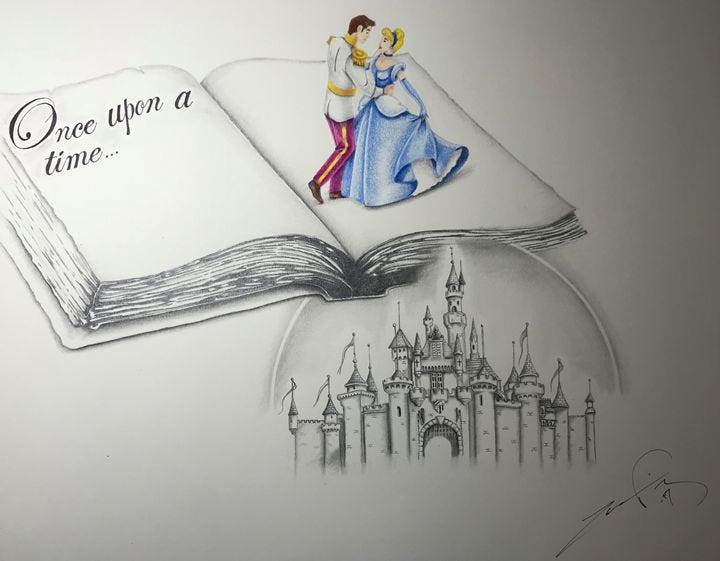
Nothing about The Science! is coherent. It’s a misty playground of fog and foolishness where founded on epistemological inversion. Where mathematical realities of time and distance are as fluid as the imagination. And anything can happen “once upon a time” given a very very very long spell since. In fact, if it wasn’t for that pesky evidence of universal expansion, imagining infinite time would resolve all the probability issues.
The lack of actual scientific rigor is a big part of the problem. The statistical innumeracy and rudimentary illogic go without saying. But that’s the personnel level. The Science! is an inversion on the epistemological level. The basic assumptions and methods that go into creating knowledge. Real, quality mathematician and logicians don’t have a home there. What takes the place is overwrought Romantic type narratives. Analogies, allegories, and breathless astonishment at the sublime wonders of sequential coin flips. Prose fiction. Pretty much an opposite form of expression from quantitative symbolic logic.
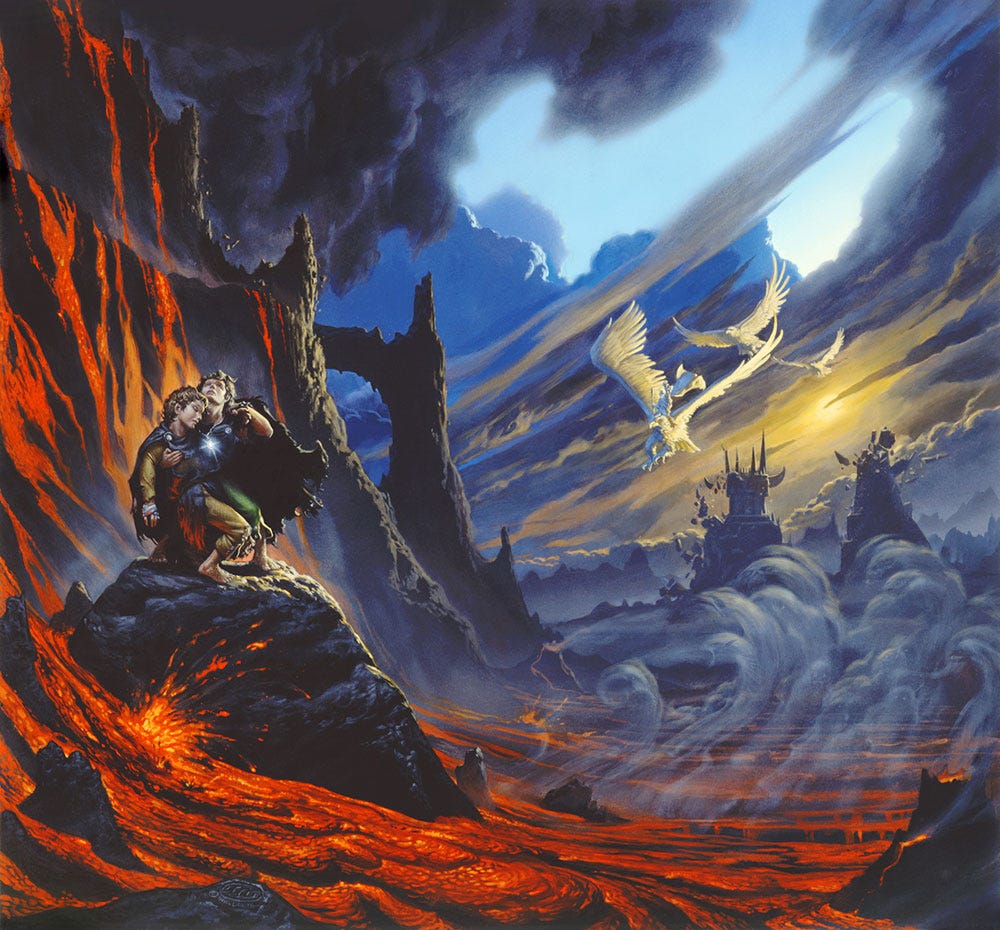
Michael Whelan, The Eagles are Coming (At the End of All Things), 1978, acrylic
Internal coherence is different in fiction and reality. We often judge imaginary stories on the quality of their narrative consistency. Because they don’t have to have it. They’re made up. It’s logical that the eagles have to wait for the fall of the Nazgul to enter Mordor. But you can also have biofilters on your transporters and still have a plague ship episode. Reality is ontologically consistent. There isn’t a range. If the math doesn’t work, the proposal is false. Not real. Impossible.
Narratives resolve contradiction all the time. They tend to work out in life too. But narratives are made up. And life is observed IRT. TENS is The Science!. A fantasy world that no one has ever seen. That’s never been verified. Never even compellingly argued. Because it can’t be. It’s preposterously impossible. My claiming to be the biggest thing in the universe has more credibility. At least I have some physical substance. Which has TENS beat by the difference between [a little] and [none].
Another comprehension problem comes from the counter-intuitive way numbers can act at scale. The purity of mathematical representation comes from its basis in abstracted quantity. But the complexity of its operations far surpasses any direct application to objects in our lives. Arithmetic with some basic algebra and geometry is the most the vast majority ever see. And at that level, the relationships are intuitive. It’s easy to “see” how a decimal and a fraction are equivalent or how a ratio relates.
But operations with huge numbers show properties that aren’t superficially obvious. They’re true, in the sense that they are consistently provable mathematically. But they’re unlikely to be considered unless taught. It’s why statistics exists and an entire discipline or discourse. And why everyone who cares about epistemological legitimacy should be concerned about the lack of math in biology.
Not anti-biology or any of it. Micro-biology, ecology, bio-chemistry, all the related fields. But they need to able to generate real, observable, logical knowledge. Deciding we don’t need math to scientifically understand our biosphere because hippie chicks dig the environment and we need enrolment dollars, and…
This inversion starts at the beginning. Thought experiment. An FTS-1 skeptical of religion sets out to determine the origin of life scientifically. How would they start? The Science! assumes a conclusion than writes what data it has into a narrative leading there. We would lay out the major considerations. Start with the number of organisms and their classification.
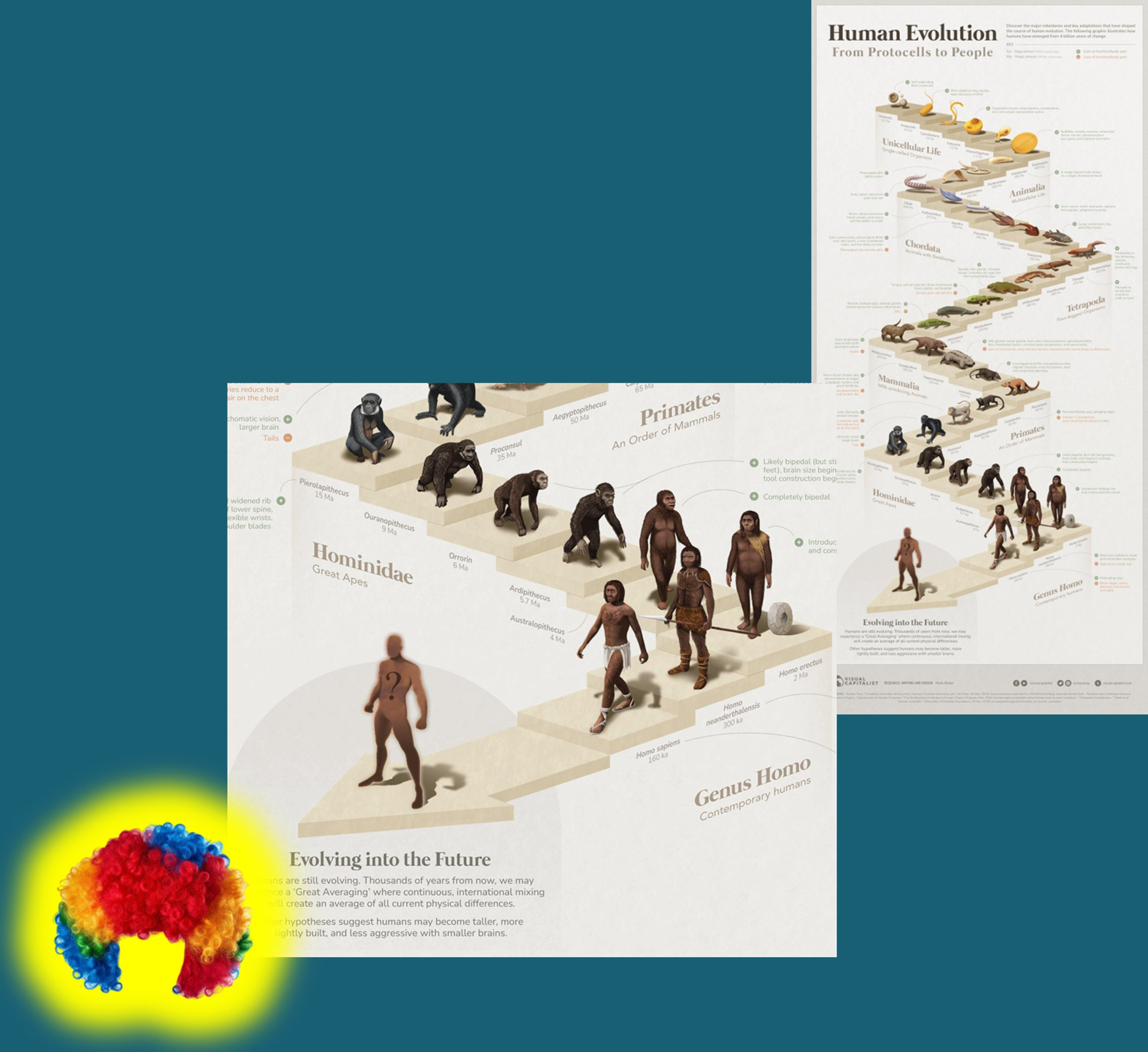
Visualized: The 4 Billion Year Path of Human Evolution – Visual Capitalist Licensing
How much genetic variance does the sum total of life on earth represent? If common ancestor → chimp & human is a stumper, let’s do trilobite to human. Of primordial soup amino acid string. The scale blows out my outlier broad pattern grasping. And a comprehensive theory of life-production has to account for it all.
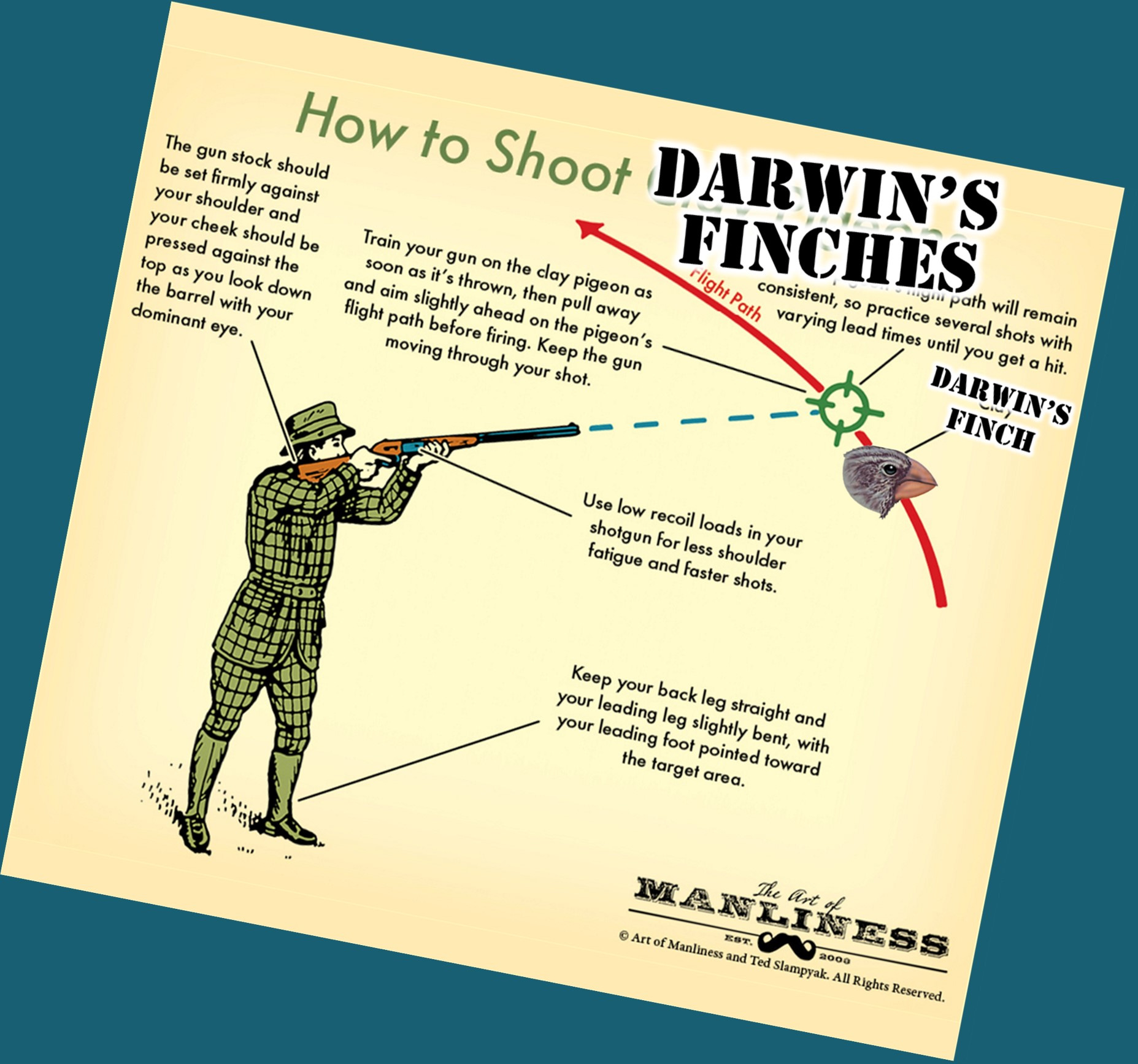
And somehow, just like that, finch beaks seem oddly irrelevant…
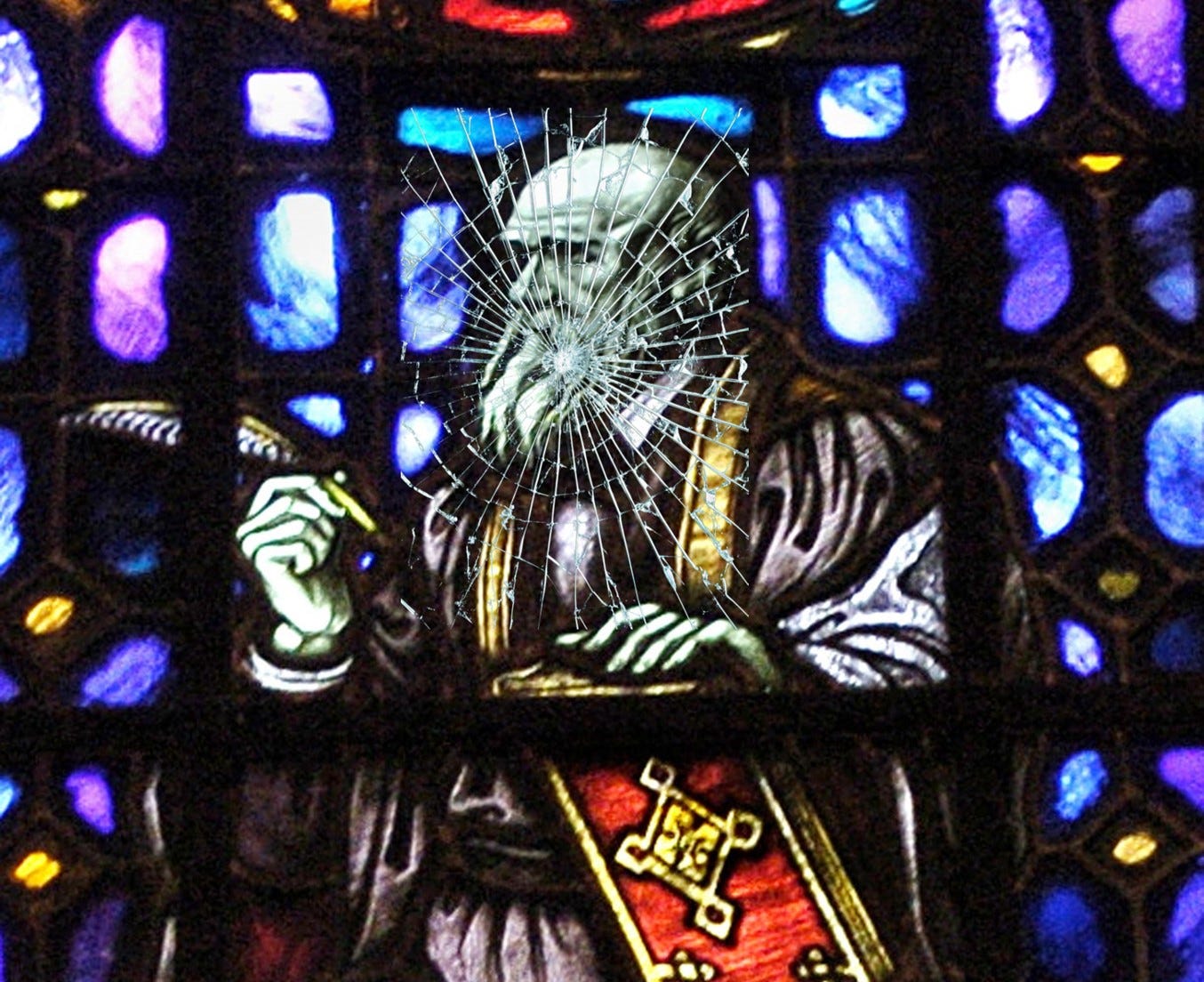
Probability Zero winds up leaving Darwin face down on a dusty main street. Exposed as another hollow just-so boy propping up the House of Lies. Day makes it clear how important this drivel was to the beast’s war on God. It would have to be. Otherwise it’s elevation to dogma would be even more bizarre.
Make up a tale from a notion with no consideration of parametric coherence. And with no plans for verification or falsification, it definitionally isn’t science. Except now it is falsifiable. It didn’t work as an explanatory mechanism because it can’t work. It’s false. The science is settled.
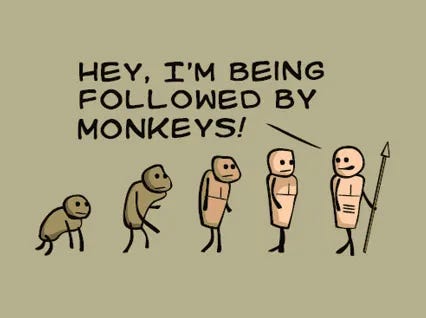
What follows is personal revelation. Either toss the obvious nonsense and start fresh with more plausible ideas. Or double down on faith in the impossible because emotionally invested for inexplicable reasons. One is science. The other isn’t. It really isn’t complicated, but watch what happens.
Personally, the notion of idiot innumerates bitterly clinging to their outdated fantasy while the cognitive elite have to move on is almost too sweetly ironic to contemplate.
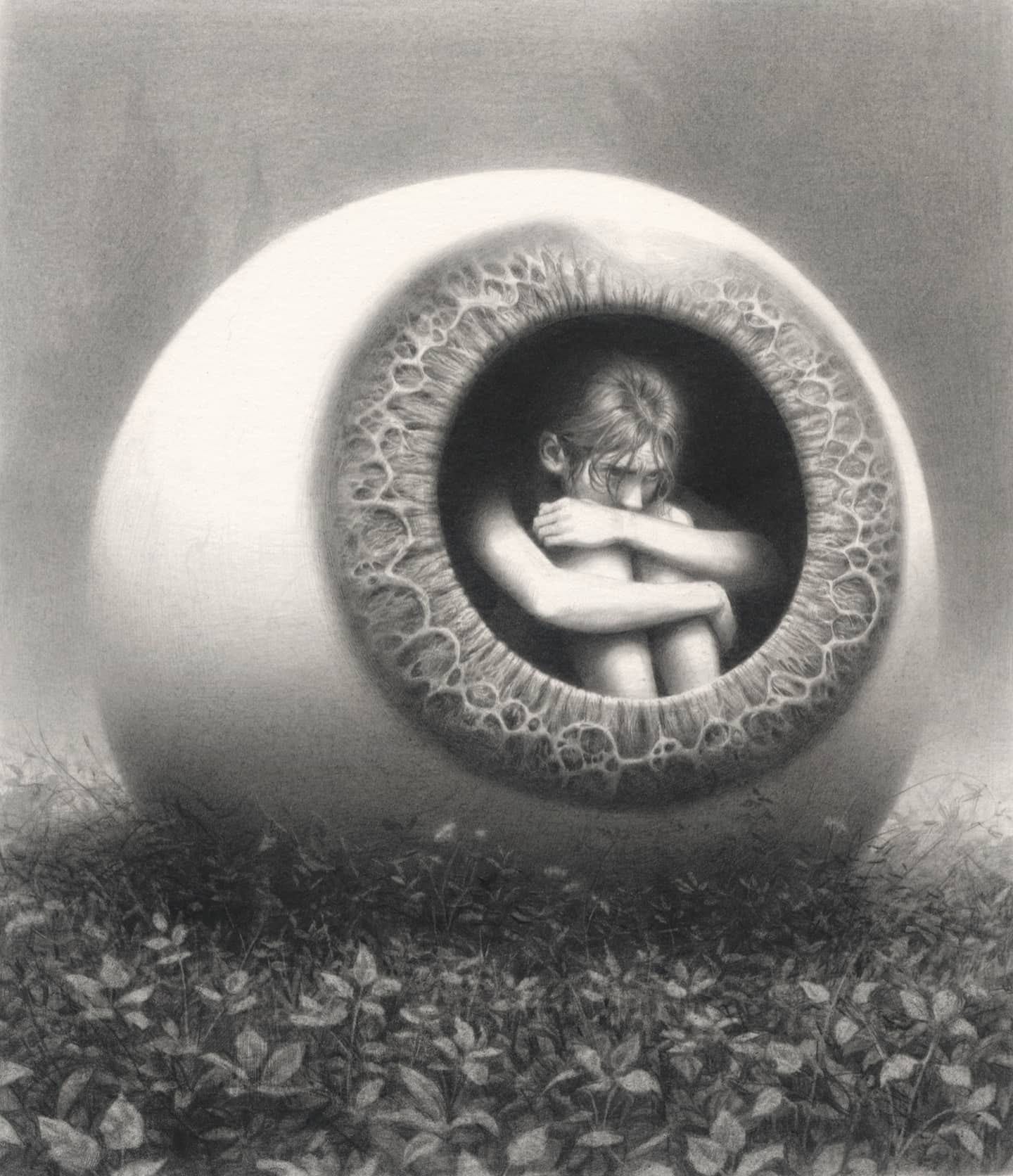
Miles Johnston, Myopia, 2021, graphite on paper
I wonder if fruit-fly tier memory is an issue. Too many pieces of information to hold together and see as one picture, so they keep resetting mid-explanation. Then the confusion makes them angry.
If we want to be charitable, the Victorians did what they could with the limits they had to work with. Their conclusions were not unreasonable given the strata, fossils, etc. they could see and the things they didn't have. Even within that charity, making TENS the mechanism an article of faith and foregoing serious testing was anti-science. Eventually, the tech caught up. AI was the final piece required to assemble the murder weapon.
As an aside, I am disappointed in our alien overlords for not doing Grape Ape. What do we have to do to get some service down here?
I was working through Metaphysics 1 this week, and Aristotle points out art itself is the best collected experiences.
That leads to the correlary that best art coheres as experience, which ontologically must cohere.
Science! Not even cohering to a story level , is pathetic.